

Integrity Auto: Independent Specialists Servicing Toyota, Lexus, Subaru & Honda
539 SE 122nd Ave. Portland, OR. 97233 | Hours: M-F 8AM-5PM
Tap to call: 503-408-6385 | Tap to email: info@integrityautoinc.com
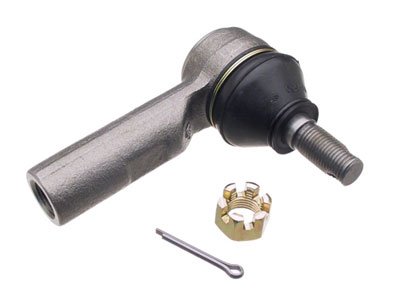
Tie-Rod Ends (inner and outer)
The tie-rod ends are part of the steering linkage. As they wear, you may notice a clunking at times as you drive and encounter various irregularities in the road.
When all of the steering linkage components are in good order, it allows the driver to have relatively precise control of the steering over a wide variety of speeds and conditions.
As the tie-rod ends wear, it allows extra play, so that the wheels can wag back and forth—pointing in or out, independently of the driver’s intent.
This causes the car to wander more, and requires the driver to more actively manage the steering as it becomes more approximate. This also encourages premature tire wear, as the wheels are no longer held in proper alignment and are allowed to wander.
For most of your normal driving circumstances the problems presented are no more urgent than indicated above—although it results in increased tire wear, moderately worn tie-rod ends aren’t going to make your wheels suddenly fall off, and they’re not going to make you suddenly dart into a ditch.
If a badly worn tie-rod end is ignored long enough, though, the ball can pull out of its socket and the tie rod separates. When that happens, the steering wheel no longer controls that wheel, and it can swing freely, turning sharply in or out on its own. At any speed, that means a sudden loss of steering control.
In the meantime, in an emergency situation that involves braking and turning and dodging others all at the same instant and when you need all the control you can get, you want all the control you can get to avoid a possible accident. In those situations, it’s nice to have the steering system doing exactly what it’s supposed to be doing, and the wheels pointing exactly where they’re supposed to be pointing. Right? In those instances even moderate wear increases your risk.