

Integrity Auto: Independent Specialists Servicing Toyota, Lexus, Subaru & Honda
539 SE 122nd Ave. Portland, OR. 97233
Tap to call: 503-408-6385 | Hours: M-F 8AM-5PM | Tap to email: info@integrityautoinc.com
Timing Chain
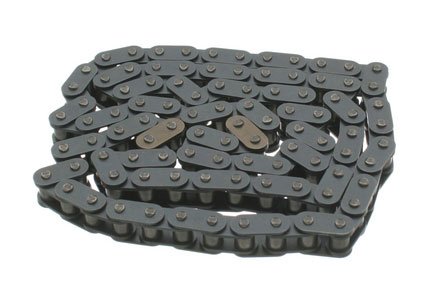
The timing chain connects the crankshaft, at the bottom of the engine, to the camshafts at the top, keeping them in sync with each other. Unlike a timing belt, a chain doesn’t have a set replacement interval and can last the life of the engine. However, chains, guides and tensioners do wear, and when they do, the damage can happen quickly.
On older Toyota engines such as the 22R and 22RE four-cylinders found in pickups, 4Runners and Celicas, the chain stretches as it wears, gets loose and begins to slap against the guides. Eventually one of the guides breaks, and the chain starts slapping against the inside of the timing cover. This produces a characteristic rattle. If it continues, the chain can wear through the timing cover and into the coolant passage behind the water pump. That lets oil and coolant mix, which can easily result in damaged engine bearings.
Sometimes the chain will break or jump off the gear that drives the camshaft. On many engines, the valves are then ruined when they’re hit by the pistons. In either case, the cost of the repair goes up significantly.
In my early experience with timing chains, when pieces of the guides broke off they usually fell harmlessly into the oil pan. If the owner was of a mind to, I felt pretty relaxed about watching the wear progress, even to the point of a guide breaking entirely off. In the years since, I’ve seen that the pieces don’t always fall harmlessly. Sometimes they get caught between the crankshaft gear and the chain, and with each revolution the chain gets hiked over another tooth. In a very brief moment you’ve got multiple bent valves, and the cylinder head has to be overhauled in addition to replacing the timing chain assembly.
Because of this, I no longer feel comfortable recommending that anyone live with a rattling timing chain. When the next stage of failure happens, too much damage can happen too quickly. The longer you wait, the more you increase the odds that the final repair will cost as much as two and a half times what it would have if you’d acted promptly.
Newer engines in Toyota, Lexus, Subaru and Honda vehicles use timing chains on most models, but the warning signs can be different. These engines use oil-pressure-fed tensioners and variable valve timing, and the chain system depends on clean oil at the right level. Signs to watch for include:
A brief rattle for a few seconds right after a cold start, before oil pressure builds.
A check engine light with a code showing the camshaft and crankshaft timing don’t match.
Rough running or reduced power without another obvious cause.
On some engines, a short startup rattle can come from a variable valve timing actuator rather than the chain itself. Either way, it’s worth having it diagnosed before it turns into a bigger repair. On these engines, regular oil changes are the best way to protect the timing chain and everything it drives.