
A 40,000-mile service is an intermediate maintenance visit. It usually covers an oil and filter change, a tire rotation and a visual check of the brakes. Extra items depend on the make, model, engine and driving conditions. The owner’s manual or maintenance guide for the exact vehicle is the final authority on what is due. Anything beyond that list should be explained and shown before it is approved.
This guide covers Toyota, Lexus, Subaru and Honda vehicles. It explains what is typically done, what is an inspection and what is a replacement, what the visit can cost, and whether it has to happen at a dealer.
TL;DR
- The core of a 40,000-mile service is an oil and filter change, a tire rotation and a visual brake inspection. Many models add a cabin air filter.
- Spark plugs, brake fluid, coolant and transmission fluid depend on the model and schedule. Turbocharged engines can have shorter plug intervals than naturally aspirated ones.
- A national estimate for a typical visit is about $358 to $462. The total rises when fluids, plugs or a timing belt come due.
- Toyota states that it will not deny a warranty claim solely because maintenance was done by a non-dealer provider. Records of the work should be kept.
- Approve what the manufacturer schedule lists and anything a technician can show is worn or leaking. Ask about the rest.
What a 40,000-mile service usually includes
Most manufacturer schedules treat 40,000 miles as a lighter stop between the larger 30,000- and 60,000-mile services. A typical checklist from one maintenance-tracking company includes an oil and filter change, tire rotation with pressure and tread checks, brake pad and rotor checks, and belt and hose inspections. Brake fluid is replaced if the manual’s time limit has come due, and an alignment check is added if the car pulls or the tires wear unevenly.
The official Toyota and Lexus maintenance log for the ES250 and ES350 lists, at 48 months or 40,000 miles, an engine oil and filter change, a tire rotation and a visual inspection of the brake drums, pads and discs. Kelley Blue Book’s schedule for the 2024 RAV4 lists the same items and adds a new in-cabin air filter and a check of the wiper blades.
A few points apply across brands:
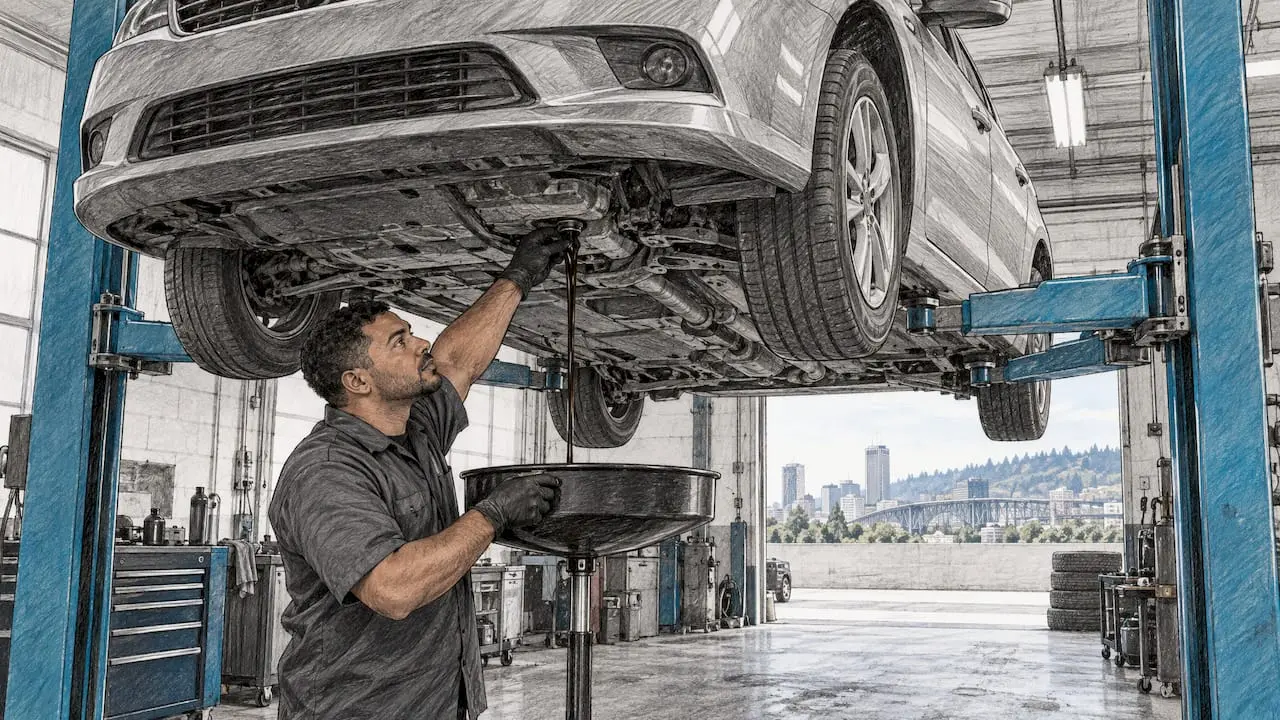
- Oil and filter: Toyota lists oil changes every 12 months or 10,000 miles, or when the maintenance reminder appears. Subaru says that most of its vehicles should have an oil change every 6 months or 6,000 miles, whichever comes first. The 40,000-mile visit often lines up with an oil change anyway.
- Tire rotation: This is a standard item and a useful time to check tread depth and tire pressure.
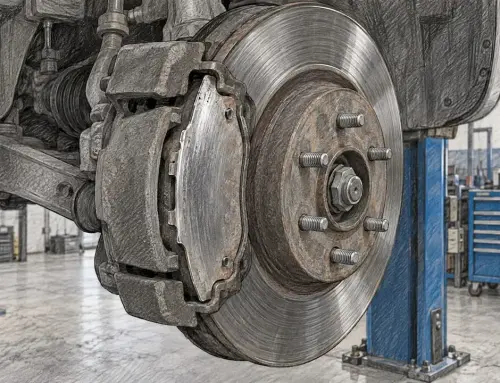
- Brake inspection: Pads, rotors, drums and lines are checked visually. Replacement happens only when wear or leaks are found.
- Cabin air filter: This is a replacement item on some schedules and an inspection on others.
- Fluids: Levels and condition are checked. Replacement follows the schedule for the specific vehicle.
Inspections versus replacements
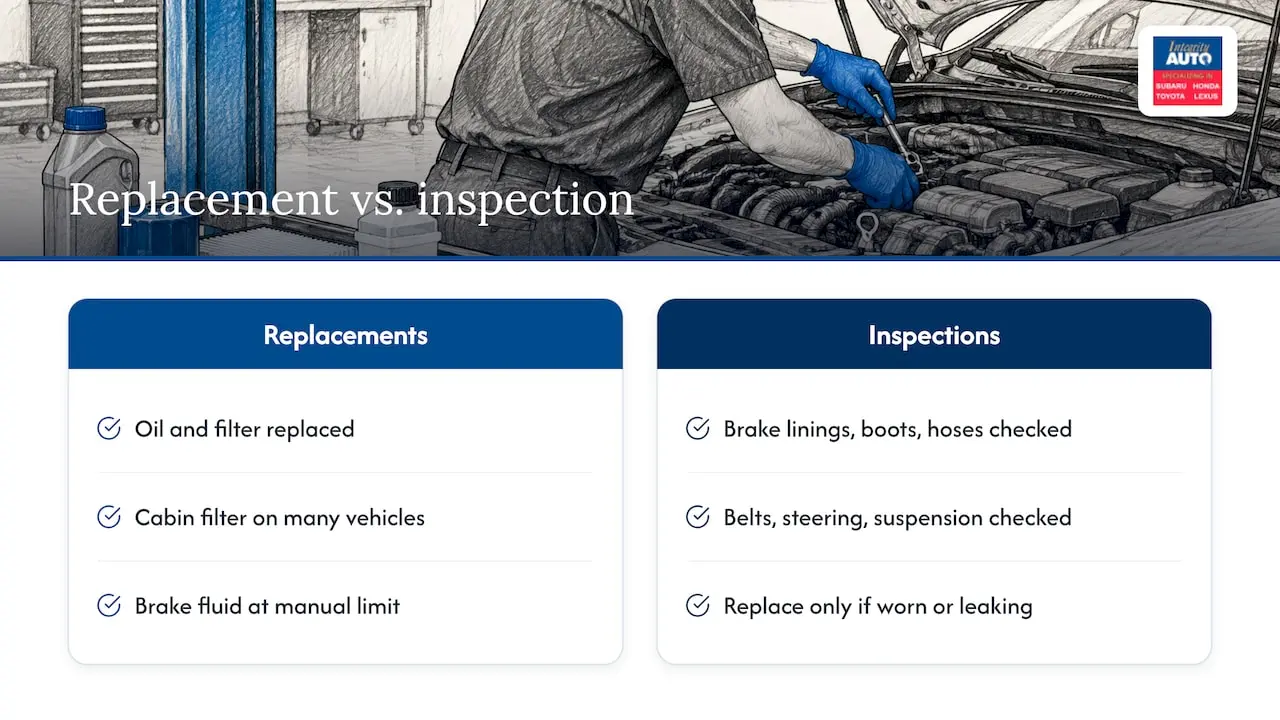
The most useful way to read a 40,000-mile estimate is to sort each line into one of two groups.
Scheduled replacements are tied to the manual. These typically include engine oil and filter, and on many vehicles the cabin air filter. Brake fluid is replaced when the time or mileage limit in the manual arrives.
Inspections are looks, not parts. Brake linings, CV joint boots, hoses, belts, steering and suspension components, the exhaust system and fuel lines are checked for wear, cracks or leaks. A part is replaced only if the inspection finds a problem.
This difference matters on an invoice. An inspection finding should come with an explanation of what was seen, why it matters and how soon it needs attention. Items found worn or leaking are different from items added only because the odometer reached a round number.
How the schedule differs by brand
Toyota and Lexus
Toyota’s own schedule states that many of its vehicles follow maintenance visits every 5,000 miles or 6 months, with more comprehensive work at key mileage milestones. At 40,000 miles, the published logs for many models call for oil, rotation and a brake inspection. Some models differ, so the maintenance guide for the exact year and model is the reference. Integrity Auto provides independent Toyota service and repair and independent Lexus service and repair in Portland, Oregon.
Subaru
Subaru recommends following whichever comes first, months or miles. Its guidance says oil should be changed every 6 months even when a vehicle is not driven much, because oil breaks down chemically over time. Subaru owners can read about Subaru service and repair and about differential service intervals, which are separate from engine oil.
Honda
Many newer Hondas use a Maintenance Minder system instead of a fixed mileage table. The system estimates oil life from how the engine is used and displays a service code when work is due. A car can therefore reach 40,000 miles with a different set of due items than another Honda of the same age. The Honda service and repair page lists the services available, including scheduled maintenance, oil services, transmission and CVT services, and coolant services.
Normal use or severe use
Some schedules have a second, shorter list for severe conditions. Toyota’s older maintenance guide, for example, adds inspections and chassis-bolt tightening for desert or dirt-road driving and chassis-bolt tightening for towing. Short trips, extended idling, stop-and-go commuting and trailer towing are the usual severe-use examples, so the manual’s wording for the specific vehicle should be checked.
Grime and road treatments also affect how a car ages between services. Owners who drive on salted winter roads can read about winter car washing frequency to keep the exterior in good shape between visits.
What a 40,000-mile service costs
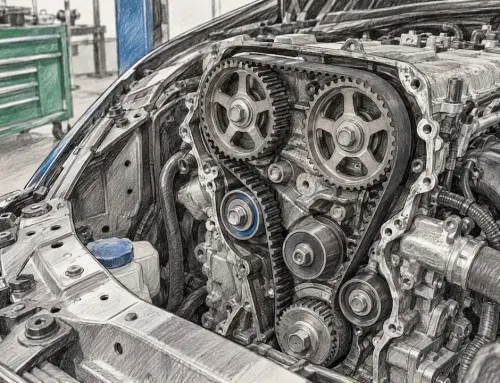
Costs vary by vehicle, shop and what is due. One maintenance-tracking company estimates a typical US 40,000-mile service at $358 to $462, based on RepairPal national averages. The low end applies when only oil, rotation and inspections are due. The high end, or more, applies when fluids, spark plugs or a timing belt are added.
Several items can push a bill above the baseline:
- Spark plugs: Intervals differ by engine. Many naturally aspirated engines go well past 40,000 miles, while some turbocharged engines are due earlier. The schedule for the exact engine decides.
- Brake service: One estimated schedule for a 2019 Lexus RX puts brake pad inspection and replacement at 40,000 miles at an estimated $250 to $450. Actual need depends on wear.
- Fluids: Brake fluid, coolant and transmission or CVT fluid follow time and mileage limits that differ by model.
Car Talk notes that the only scheduled maintenance a vehicle needs is what its owner’s manual lists, and that some shops add services to raise revenue. The same article says dealers typically charge 10% to 30% more than a trusted independent shop for the same work.
A clear estimate separates three groups: scheduled maintenance from the manual, repairs for items found worn or leaking, and optional extras. Approving the first two and asking questions about the third keeps the bill predictable. The shop’s diagnosis and estimate information explains how diagnostic charges and estimates work, and the consumer auto repair tips cover how to read a repair order.
Does the service have to be done at the dealer?
No. Toyota’s warranty and maintenance guide states that maintenance and repairs may be performed by the owner or by any automotive service provider the owner chooses. It also says Toyota will not deny a warranty claim solely because a non-dealer provider did the work. The same guide notes that damage or failure caused by improper maintenance or repairs is not covered.
The practical steps are simple:
- Follow the maintenance schedule for the vehicle’s year and model.
- Keep invoices that show the date, mileage and work performed.
- Use the fluids and parts the manufacturer specifies.
Integrity Auto describes its work as using OEM parts, with ASE-certified technicians and warranties longer than those of dealership repairs. Warranty terms for a specific job should be confirmed on the estimate.
Services often due near 40,000 miles
Beyond the standard list, a few services commonly come up around this mileage because of age or wear:
- Brakes: Pad thickness, rotor condition and fluid age are reviewed.
- Struts and shocks: Ride quality, leaks and uneven tire wear are signs to have them checked.
- Battery: A battery test is quick and avoids a no-start surprise. A battery testing and replacement page is available for Toyota owners.
- Check engine light: A lit warning is a diagnosis, not a maintenance item, and should be handled separately from the scheduled visit.
- Emissions: Portland-area vehicles may need DEQ testing. Information on DEQ emissions help is available for Toyota, Lexus, Subaru and Honda owners.
For context on how this visit fits into the larger plan, the 30K/60K/90K scheduled service page and the guide on understanding the 30k/60k/90k mileage services explain the larger milestones that bracket 40,000 miles.
Scheduling a 40,000-mile service in Portland
Integrity Auto is an independent shop serving Toyota, Lexus, Subaru and Honda owners in the Portland, Oregon area. Its services include manufacturer-recommended scheduled maintenance, oil services, brakes, suspension, hybrid vehicle service, diagnostics and emission testing, along with complimentary multipoint inspections. The shop describes its approach as consultative and transparent, with customer concerns prioritized.
Owners approaching 40,000 miles can start from the Integrity Auto home page or the page for their brand: Toyota, Lexus, Subaru or Honda. Pricing is not published on these pages, so an estimate for the specific vehicle comes from the shop.
FAQ
Is the 40,000-mile service required?
The required work is whatever the manufacturer’s schedule lists for the vehicle. Some models treat 40,000 miles as a light visit with oil, rotation and brake inspection. Others add filters, fluids or plugs. Skipping scheduled maintenance can complicate a future warranty claim if neglect caused the failure.
How long does a 40,000-mile service take?
A basic visit with oil, rotation and inspections is typically a shorter appointment than a major 60,000-mile service. Time grows if brakes, fluids or plugs are added. The shop can give an estimate of the time when the appointment is made.
What is the difference between a 40,000-mile and a 60,000-mile service?
The 40,000-mile visit is usually an intermediate service. The 30,000- and 60,000-mile visits are the heavier ones, with more replacement items and longer inspection lists. Fluids such as transmission fluid and coolant often come due at the larger milestones.
Can a non-dealer shop do the work without voiding the warranty?
Yes. Toyota’s published guide says it will not deny a warranty claim solely because a non-dealer provider performed maintenance. Keeping dated invoices with mileage is the safest practice.
What if the car is driven fewer miles than the schedule?
Manufacturers generally set both a mileage and a time limit, and the one reached first applies. Subaru’s guidance on months or miles explains why oil ages even when a car sits.
Sources
- 40,000 Mile Service: Checklist & Cost, CarO
- Toyota ES250/ES350 maintenance log
- Toyota 2004 maintenance guide
- Kelley Blue Book, 2024 Toyota RAV4 maintenance schedules
- Toyota maintenance schedule
- Subaru car care tips: months or miles
- Toyota warranty and maintenance guide
- Car Talk, maintenance cost and schedule
- Estimated 2019 Lexus RX maintenance schedule
- Car maintenance schedule by make, model and mileage
- Winter car washing frequency