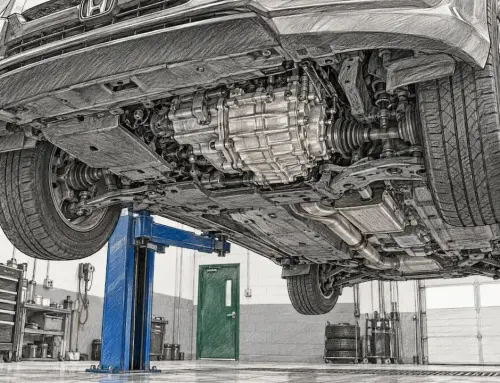

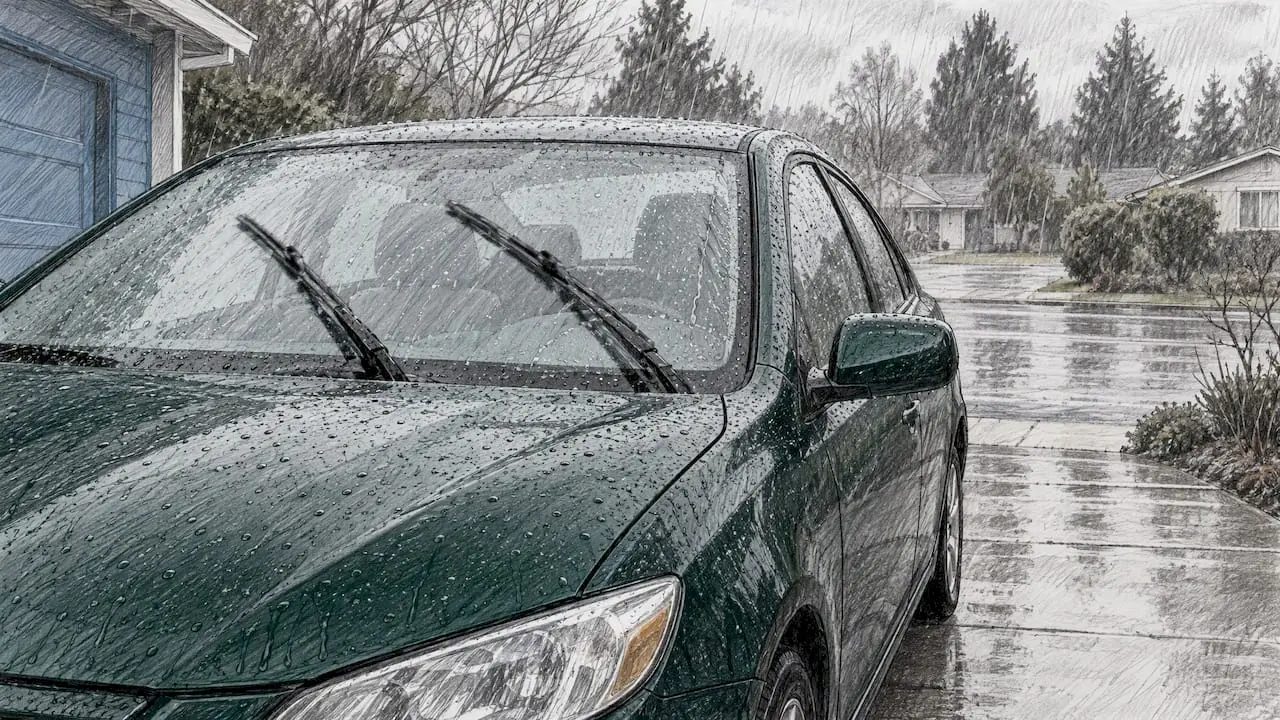
Portland’s rainy season is hardest on the parts of a car that keep it visible, grippy and able to stop: wipers, tires, brakes, lights and the battery. A short inspection before the first steady rains, then a few quick checks through the wet months, catches most problems while they are still inexpensive. This guide covers what to check, what the official Oregon and Portland guidance says, and which warning signs call for a professional.
TL;DR
- Check wipers, defrosters, lights and tires first. Portland’s transportation bureau lists these as the basics for planning ahead for rain.
- The first rain after a dry spell is often the slickest. Oil and grease on the pavement rise to the surface, so stopping distance should be two to three times longer.
- Oregon’s legal minimum tread is 1/32 inch, but tires with more tread and correct pressure grip wet pavement better.
- Hard starts, soft brakes, a pull to one side, constant window fogging or falling coolant are reasons to book an inspection, not to wait.
When the rainy season starts and why the first rain matters
Portland’s transportation bureau gives no calendar start date for the wet season. Its rainy-weather guidance simply advises drivers to check wipers, defrosters and tires when planning ahead. In practice, the useful deadline is the end of the dry weather: a car should be ready before the first steady rain arrives, not after.
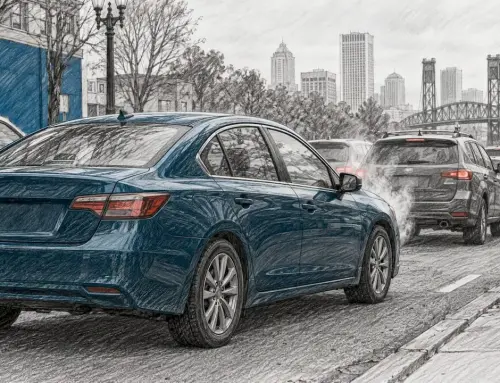
The first rain deserves extra respect. An Oregon Department of Transportation advisory explains that oil and grease built up during a dry spell can rise to the surface with the first rain, making roads unexpectedly slick. The same advisory recommends slowing down and leaving two to three times the usual stopping distance.
Wipers, washer fluid and visibility
Rain reduces forward visibility, and visibility is the cheapest thing to fix. The Oregon Driver Manual tells drivers to keep windows clear of moisture, use working wipers and defrosters, and turn on headlights whenever the wipers are running.
A practical pre-season routine:
- Wiper blades. Look for cracked, hardened or torn rubber. Streaking, chattering or missed patches mean the blades are done. Blades are inexpensive compared with a near miss.
- Washer fluid. Top off the reservoir. Road spray in winter uses more fluid than most drivers expect.
- Defrosters. Run the front and rear defrosters. If the glass takes a long time to clear, or fogs again as soon as the fan drops, the cabin air system or moisture inside the car needs attention.
- Glass. Clean the inside of the windshield as well as the outside. Film on the inside scatters headlight glare at night.
Lights: seeing and being seen
The Oregon manual advises checking headlights, taillights and turn signals, and keeping the lenses clean. In heavy rain or fog it recommends low beams rather than high beams, because high beams reflect off the precipitation and create glare. Foggy, yellowed or dirty headlight lenses cut the usable beam, which matters most on dark, wet evenings when daylight is short.
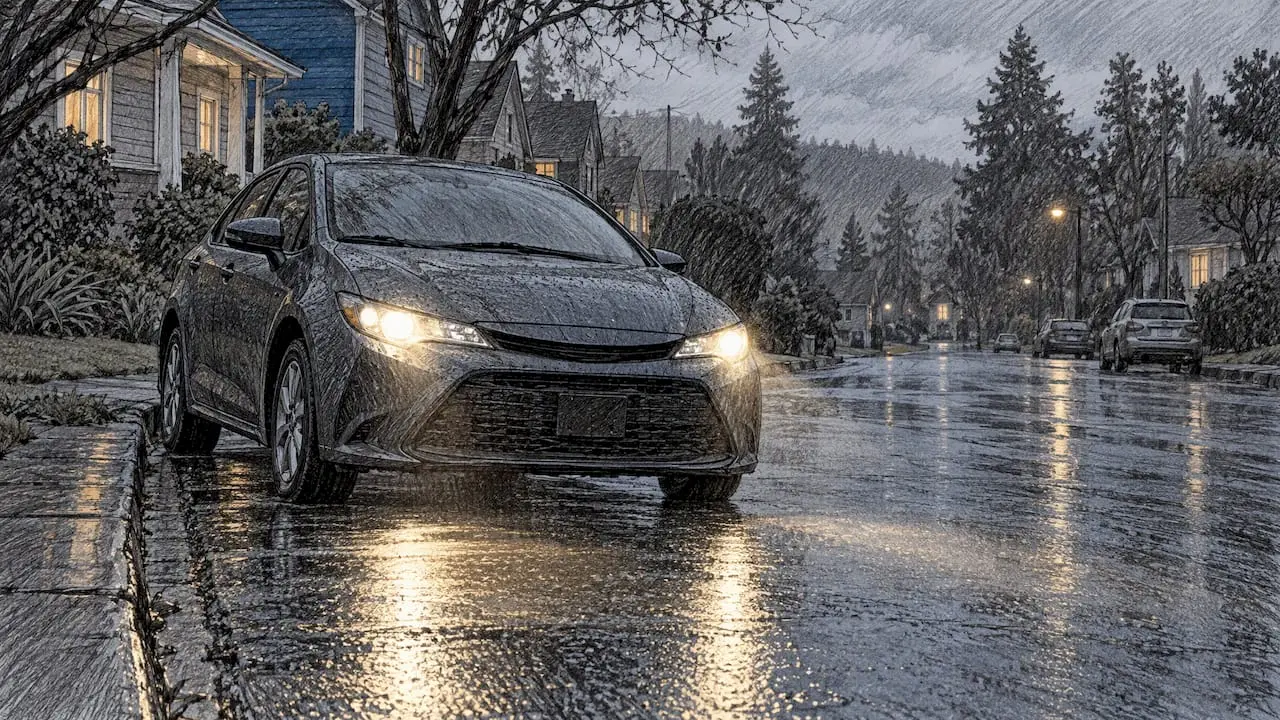
Have someone watch the brake lights while the pedal is pressed. A failed bulb is a quick fix, but it is also the kind of failure other drivers do not see coming in spray and low light.
Tires: tread, pressure and hydroplaning
Tires are the only contact between the car and a wet road. Two things matter most: tread depth and inflation.
- Tread. ODOT states that Oregon’s legal minimum is 1/32 inch in any two adjacent grooves. That is a legal floor, not a recommendation for wet-weather grip. Tires approaching it channel water poorly, so a replacement before the wet season is the safer plan.
- Pressure. The same ODOT advisory warns that both over-inflation and under-inflation are dangerous on wet pavement. Check pressure with a gauge when the tires are cold, using the figure on the driver’s door jamb placard rather than the number molded into the tire sidewall.
- Condition. Look for uneven wear, bulges and cracking. Uneven wear often points to alignment or suspension trouble.
Hydroplaning is the risk that ties these together. The Oregon manual warns that it can reduce or eliminate steering and stopping ability, and that slowing down on wet roads lowers the risk. Portland’s transportation bureau adds that hydroplaning and flooded roads raise crash risk during heavy rain, and that leaves and debris can clog storm drains and add to flooding.
Owners of all-wheel-drive Subarus should note that mismatched tread depth across the four tires strains the drivetrain. The shop’s guide to Subaru AWD maintenance and matching tread depth explains how rotation at oil changes keeps wear even.
Brakes: check them before the rain and after the puddles
Wet pavement lengthens stopping distances. The Oregon manual says to brake earlier and more gently in rain and to avoid cruise control on wet roads. Worn pads, old brake fluid and sticking calipers all make a longer stop longer still.
After driving through standing water, the manual advises gently applying the brakes while driving slowly until they respond normally. Portland’s rainy-weather tips give the same advice: check the brakes after a puddle.
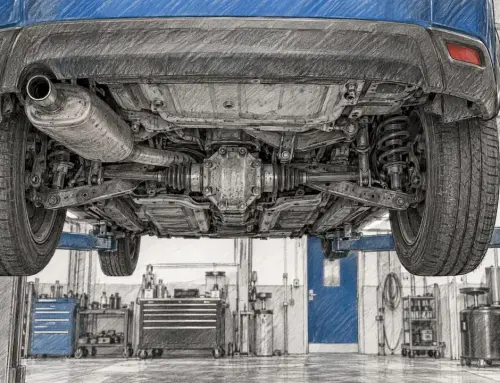
Before the season, a brake check should cover:
- Pad thickness. The shop’s guide on when to replace brake pads covers the 2 to 3 mm range and what a mechanic measures.
- Rotor condition, including grooves, rust ridges and warping.
- Brake fluid. Fluid absorbs moisture over time, which is relevant in a damp climate. A brake hydraulic fluid flush is part of many manufacturer-recommended schedules.
- Squealing, grinding, a soft pedal or a pull to one side while stopping. Any of these should be inspected promptly.
Battery, coolant and routine fluids
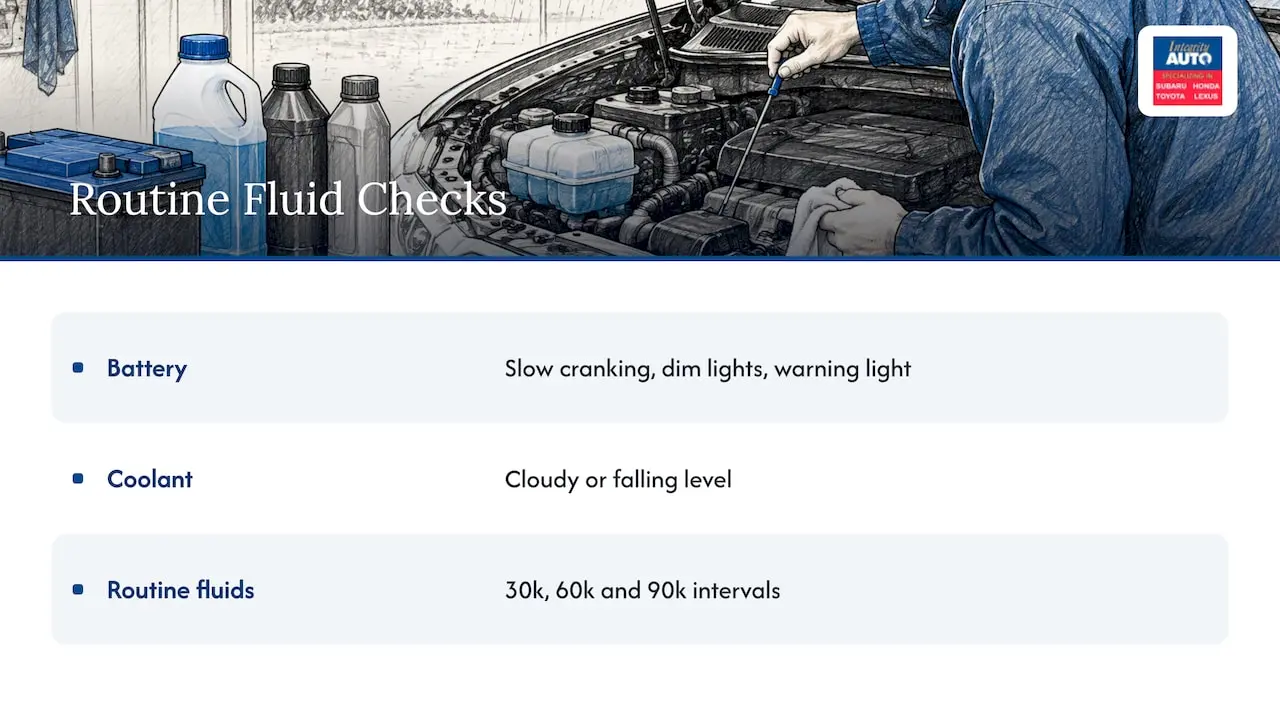
Cool, damp mornings are when a weak battery shows itself. Slow cranking, dim lights at idle, a battery more than a few years old or a warning light are signs to have it tested. A battery test and replacement takes little time and avoids a no-start in a parking lot in the rain.
The Oregon manual’s list of reasons for professional inspection also includes coolant that is cloudy or falling in level, which can signal a leak or contamination. Engine oil, transmission and gear fluids and coolant should follow the maintenance schedule in the owner’s manual. For Toyota, Lexus, Subaru and Honda vehicles, that usually means the 30k, 60k and 90k intervals, outlined in the shop’s scheduled service guide.
Keeping the inside dry
Moisture inside a car causes fogging, musty smells and, over time, corrosion. A few habits help:
- Check floor mats and carpet for dampness after heavy rain. Wet carpet that does not dry points to a leak, such as a worn door seal, a windshield seal or a blocked drain.
- Do not leave wet jackets, umbrellas or floor mats in the car for days. Dry them out.
- Use the air conditioning with the defrost setting. It removes moisture from the cabin air and clears glass faster.
- Look at door and trunk seals for cracks, and clear leaves from the cowl area below the windshield so water drains away from the cabin.
- Wash the underside of the car periodically and keep the paint protected. A hydrophobic car wash routine shows how to wash with less abrasion and leave a coating that helps water bead off.
Persistent fogging that does not respond to defrosting is also on the Oregon manual’s list of reasons to have a car checked.
Warning signs that call for a professional
The Oregon Driver Manual points drivers to a professional inspection for these problems:
| Symptom | What it may point to |
|---|---|
| Soft pedal, noise or poor stopping | Brake wear, fluid or hydraulic problem |
| Hydroplaning or a skid that does not quickly resolve | Worn tires, pressure or suspension issue |
| Steering vibration or pulling | Alignment, tire or suspension trouble |
| Ineffective wipers or defrosters | Worn blades, wiper motor or climate system fault |
| Failed lights | Bulbs, wiring or lens problems |
| Persistent window fogging | Moisture in the cabin or a leak |
| Hard starting | Weak battery or charging fault |
| Cloudy or falling coolant | Leak or contamination |
A lit check engine light also deserves attention. In the Portland area it can affect vehicle emissions testing, and the shop’s page on DEQ monitor rules and fixes explains how to avoid an extra trip.
Emergency kit for wet-weather trips
Portland’s transportation bureau recommends an emergency weather kit with jumper cables, first-aid supplies, basic tools, a blanket, warm clothing, food, water, a phone charger and a flashlight. Keep it in the trunk through the whole wet season, and check the flashlight batteries and charger cable at the start.
Pre-season service for Toyota, Lexus, Subaru and Honda
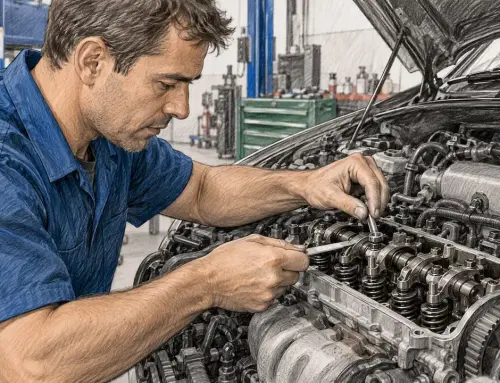
Integrity Auto is an independent shop in Portland that services Toyota, Lexus, Subaru and Honda vehicles. Its work covers scheduled maintenance, brakes, struts and shocks, diagnosis, check engine light and DEQ diagnosis, and emission testing and repairs. A complimentary multipoint inspection gives owners a look at wipers, tires, brakes, fluids and the battery before the rain settles in.
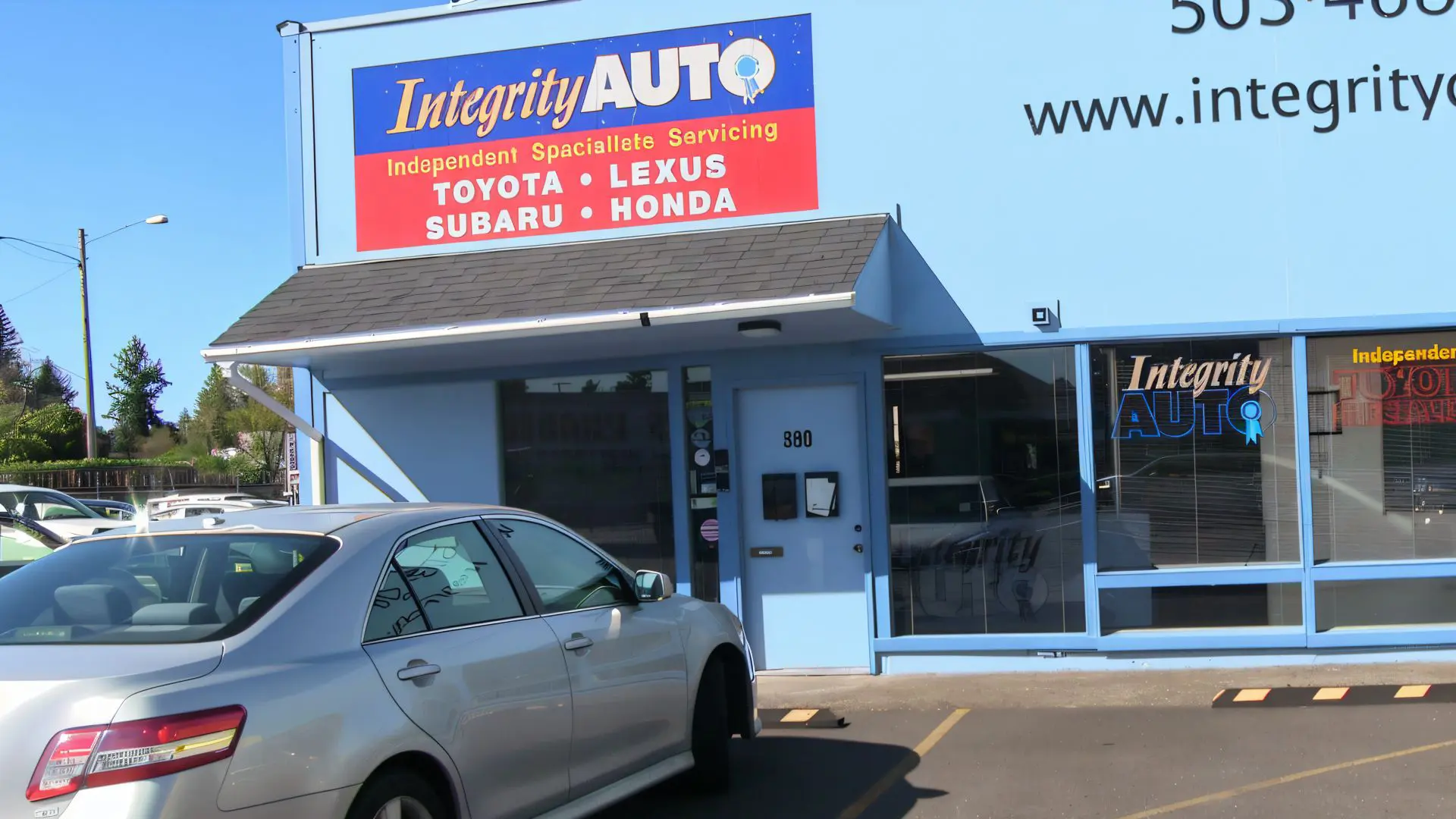
Owners can find their make’s service page: Toyota, Lexus, Honda or Subaru. For a warning light or a symptom without a clear cause, the diagnosis page explains how estimates and diagnostic charges work.
FAQ
How early should a car be prepared for Portland’s rainy season?
Before the first steady rain. Portland’s transportation bureau offers no fixed start date, and the first rain after a dry spell is the slickest, so wipers, tires, lights and brakes should be checked while the weather is still dry.
How much tread do tires need in Oregon?
The legal minimum is 1/32 inch in any two adjacent grooves, according to ODOT. For wet roads, replacing tires before they reach that point is the safer choice, and pressure should be kept at the placard value.
Should high beams be used in heavy rain?
No. The Oregon Driver Manual recommends low beams in heavy rain or fog, because high beams reflect off the precipitation and create glare. Headlights should also be on whenever the wipers are running.
What should be done after driving through a puddle?
Drive slowly and apply the brakes gently until they respond normally, as the Oregon manual advises. If the pedal feels soft or the car pulls to one side afterward, a brake inspection is warranted.
Sources
- GET HOME SAFE: Rainy weather travel tips, Portland.gov
- Oregon Driver Manual, ODOT DMV
- First rains after dry spell can mean slick roads, ODOT
- Travel Advisory: Heavy rains, Portland.gov
- Hydrophobic Car Wash: 7 Step Routine