
Why Your Toyota’s Fuel Consumption Might Be Higher Than Expected – Key Checks and Solutions

Noticing that your Toyota is guzzling more fuel than usual can be frustrating, especially when rising fuel prices put a strain on your budget. While Toyotas are renowned for their reliability and fuel efficiency, various factors can lead to unexpected increases in fuel consumption. From simple maintenance issues to driving habits and environmental conditions, understanding what affects your vehicle’s fuel economy is essential to keeping costs down and your car running smoothly.  Let’s explore some key checks you can perform and practical solutions to help you pinpoint the causes and get your Toyota back on track for optimal fuel efficiency.

Understanding Toyota’s Fuel Efficiency Standards

When you purchase a Toyota, you often expect it to deliver the fuel efficiency figures advertised in brochures and official specifications. However, it’s important to understand that these numbers are based on standardized testing conditions that may differ significantly from real-world driving. Toyota’s fuel efficiency standards are determined through controlled laboratory tests designed to provide a consistent basis for comparison across different models and manufacturers. Factors such as ideal weather conditions, flat terrain, and specific driving patterns are taken into account during these tests, which rarely mirror everyday driving scenarios.
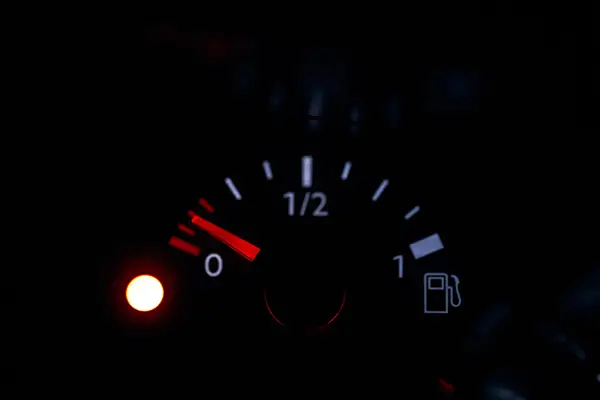
Toyota have a fuel consumption problemsAdditionally, Toyota vehicles come equipped with advanced technologies like variable valve timing and hybrid systems that optimize fuel consumption under certain conditions. While these features contribute to overall efficiency, the actual mileage you get can fluctuate depending on factors such as traffic, driving style, and vehicle load.

Understanding these standards helps set realistic expectations for your car’s fuel economy and highlights why your experience might differ from the official figures. By gaining this insight, you can better assess whether your fuel consumption is within a reasonable range or if further checks and adjustments might be necessary.

Common Reasons for Higher Fuel Consumption

There are several common factors that can cause your Toyota’s fuel consumption to be higher than expected. Understanding these reasons can help you identify and address the issues effectively, saving you money and improving your vehicle’s efficiency.

**Poor Driving Habits:** Aggressive driving, such as rapid acceleration, speeding, and hard braking, can significantly increase fuel consumption. Smooth and steady driving not only keeps you safe but also optimizes fuel efficiency.

**Underinflated Tires:** Tires that are not inflated to the manufacturer’s recommended pressure create more rolling resistance, forcing your engine to work harder and consume more fuel. Regularly checking and maintaining proper tire pressure is a simple yet effective way to improve mileage.

**Faulty Oxygen Sensors:** Oxygen sensors monitor the air-fuel mixture in your engine. If they malfunction, your engine might burn more fuel than necessary. A failing sensor often triggers the check engine light, and replacing it can restore fuel efficiency.

**Dirty Air Filters:** A clogged or dirty air filter restricts airflow to the engine, affecting combustion and leading to increased fuel consumption. Replacing air filters as part of routine maintenance ensures your engine breathes properly.

**Excessive Idling and Short Trips:** Frequent short trips and prolonged idling prevent your engine from reaching optimal operating temperature, which can cause higher fuel usage. Planning trips efficiently and minimizing idle time can help reduce fuel waste.

**Heavy Loads and Roof Racks:** Carrying unnecessary weight or using roof racks increases aerodynamic drag and load on your vehicle, causing it to consume more fuel. Removing extra items when not needed can make a noticeable difference.

By keeping these common issues in mind and performing regular vehicle checks, you can better understand why your Toyota might be guzzling more fuel than expected and take the right steps to improve its efficiency.

Impact of Driving Habits on Fuel Economy

Your driving habits play a significant role in determining your Toyota’s fuel consumption. Aggressive driving behaviors such as rapid acceleration, hard braking, and speeding can sharply decrease your vehicle’s fuel efficiency. When you accelerate quickly, the engine uses more fuel to generate the necessary power, and frequent braking wastes the energy you’ve just consumed. Similarly, driving at consistently high speeds increases aerodynamic drag and engine load, both of which contribute to higher fuel consumption.

On the other hand, adopting smoother and more consistent driving techniques can make a noticeable difference. Gradually accelerating, maintaining steady speeds, and anticipating traffic flow to minimize sudden stops will help your Toyota use fuel more efficiently. Additionally, utilizing cruise control on highways can assist in maintaining a constant speed, further improving fuel economy.

Another important factor is avoiding unnecessary idling. Prolonged idling wastes fuel without moving your vehicle, so turning off the engine when stopped for extended periods can help reduce consumption. By being mindful of these driving habits, you not only save money at the pump but also reduce wear and tear on your vehicle, contributing to its long-term health and performance.

Importance of Regular Vehicle Maintenance

Regular vehicle maintenance plays a crucial role in keeping your Toyota running efficiently and minimizing fuel consumption. Over time, components such as air filters, spark plugs, and fuel injectors can become dirty or worn out, causing your engine to work harder and burn more fuel. For example, a clogged air filter restricts airflow to the engine, which can reduce combustion efficiency and lead to increased fuel usage. Similarly, worn spark plugs may cause misfires, resulting in incomplete combustion and wasted fuel.

By adhering to the recommended maintenance schedule outlined in your owner’s manual, you ensure that all parts are inspected, cleaned, or replaced as needed. Routine oil changes, tire pressure checks, and timely servicing not only optimize your vehicle’s performance but also contribute to better fuel economy. Neglecting these simple yet essential tasks can cause your Toyota to consume more fuel than necessary, ultimately costing you more at the pump.

In short, regular maintenance isn’t just about prolonging your car’s lifespan—it’s a practical and cost-effective way to keep your fuel consumption in check. Make it a habit to schedule periodic check-ups with a trusted mechanic or dealership to keep your Toyota running smoothly and efficiently on the road.
 

Checking Tire Pressure and Alignment

Maintaining the correct tire pressure and proper wheel alignment plays a crucial role in your Toyota’s fuel efficiency. Underinflated tires create more rolling resistance, which means your engine has to work harder to move the car, leading to increased fuel consumption. Conversely, overinflated tires can reduce traction and cause uneven wear, which also negatively impacts fuel economy and safety.

Regularly check your tire pressure using a reliable gauge, ideally when the tires are cold, and compare the readings to the manufacturer’s recommended levels found in your owner’s manual or on the sticker inside the driver’s door. Don’t forget to inspect the spare tire as well.

Wheel alignment is another important factor. Misaligned wheels cause your tires to drag slightly instead of rolling smoothly, which not only accelerates tire wear but also forces your engine to burn more fuel. If you notice your vehicle pulling to one side, uneven tire wear, or a vibrating steering wheel, it’s time to get a professional alignment check.

By keeping your tires properly inflated and your wheels correctly aligned, you can improve your Toyota’s fuel economy, extend the lifespan of your tires, and enjoy a safer, smoother driving experience. Regular maintenance in these areas is a simple yet effective way to reduce unnecessary fuel costs.

The Role of Air Filters in Fuel Efficiencymportance Of Air Filters

A clean air filter plays a crucial role in maintaining your Toyota’s fuel efficiency. The air filter’s job is to ensure that clean, debris-free air enters the engine for optimal combustion. When the air filter becomes clogged with dirt, dust, and other particles, it restricts airflow, causing the engine to work harder and burn more fuel to generate the same amount of power. This can lead to a noticeable drop in fuel economy and overall vehicle performance.

Regularly inspecting and replacing your air filter is a simple yet effective way to improve fuel consumption. Most Toyota models recommend changing the air filter every 15,000 to 30,000 miles, but if you frequently drive in dusty or polluted environments, it’s wise to check it more often. Replacing a dirty air filter not only boosts fuel efficiency but also helps reduce emissions and prolongs the life of your engine.

In summary, don’t overlook the air filter when diagnosing fuel consumption issues. Keeping it clean ensures your engine breathes easily, runs efficiently, and saves you money at the pump.

How Engine Performance Affects Fuel Consumption

Engine performance plays a crucial role in determining your Toyota’s fuel consumption. When your engine isn’t running at its optimal level, it can lead to inefficient fuel use, causing you to spend more at the pump than necessary. Several factors related to engine performance can contribute to this, including worn spark plugs, clogged air filters, and issues with the fuel injection system.

For instance, spark plugs that are dirty or worn out may cause incomplete combustion, meaning your engine burns more fuel to produce the same amount of power. Similarly, a clogged air filter restricts airflow to the engine, disrupting the ideal air-fuel mixture and reducing efficiency. Problems with fuel injectors, such as clogging or leaks, can also result in uneven fuel delivery, further increasing consumption.

Regular maintenance checks, such as replacing spark plugs according to your vehicle’s service schedule, cleaning or changing air filters, and inspecting fuel injectors, can significantly improve engine performance. Keeping your engine in top shape ensures that fuel is burned efficiently, helping you get the most miles out of every gallon and keeping your Toyota running smoothly. If you notice a sudden drop in fuel economy, it’s wise to have a professional mechanic perform a thorough engine diagnostic to identify and address any underlying issues promptly.

Identifying and Fixing Fuel System Issues

A well-functioning fuel system is essential for your Toyota to run efficiently and maintain optimal fuel consumption. If you notice that your fuel economy has suddenly dropped, it’s important to check for potential fuel system issues that could be causing the problem. Common issues include clogged fuel filters, faulty fuel injectors, or a malfunctioning fuel pump—all of which can disrupt the proper delivery of fuel to your engine.

Start by inspecting the fuel filter, which traps dirt and debris before they reach the engine. A clogged filter restricts fuel flow, causing your engine to work harder and consume more fuel. Replacing the fuel filter at regular intervals can prevent this issue. Additionally, fuel injectors that are dirty or malfunctioning may spray fuel unevenly, leading to inefficient combustion. Using a fuel injector cleaner or having them professionally serviced can restore optimal performance.

Another critical component to check is the fuel pump. A weak or failing fuel pump might not deliver the right amount of fuel pressure, affecting engine performance and increasing fuel consumption. If you suspect a fuel pump issue, it’s best to have a qualified mechanic perform a thorough diagnosis and repair.

Regular maintenance and timely attention to these fuel system components not only help improve your Toyota’s fuel efficiency but also extend the life of your vehicle. By identifying and addressing fuel system issues early, you can avoid more costly repairs down the road and keep your car running smoothly on every journey.

Understanding the Impact of Excessive Idling

Excessive idling can significantly affect your Toyota’s fuel consumption, often in ways that many drivers overlook. When your engine is running but the vehicle isn’t moving, it continues to burn fuel without providing any mileage. This means that every minute spent idling—whether waiting at a long traffic light, warming up your car on a cold morning, or parked with the engine on—contributes to unnecessary fuel consumption and increased emissions.

Modern Toyota models are designed to minimize fuel use during idle, but even so, prolonged idling can add up over time. For instance, idling for just 10 minutes a day can waste up to half a gallon of fuel each week, which directly impacts your fuel efficiency and increases your overall running costs. Additionally, excessive idling can lead to engine wear and carbon buildup, which may further reduce your vehicle’s performance and fuel economy.

To reduce the impact of idling on your fuel consumption, try to turn off your engine whenever it’s safe and practical to do so, such as when waiting for extended periods. Many newer Toyota models also feature “auto start-stop” technology, which automatically shuts off the engine during stops to conserve fuel—make sure this feature is enabled if your car has it. By being mindful of idling habits, you can help improve your Toyota’s fuel efficiency, save money at the pump, and reduce your environmental footprint.

How Weather and Terrain Influence Fuel Usage

Weather and terrain play significant roles in your Toyota’s fuel consumption, often in ways that are easy to overlook. For instance, driving in cold weather can increase fuel usage because your engine takes longer to reach its optimal operating temperature. Additionally, the use of heaters, defrosters, and other electrical components during colder months can put extra strain on the engine, leading to higher fuel consumption. On the other hand, extremely hot weather may cause the air conditioning system to work harder, which also impacts fuel efficiency.

Terrain is another crucial factor. Navigating hilly or mountainous areas forces your engine to work harder as it climbs inclines, using more fuel than driving on flat roads. Frequent stops and starts in urban environments, especially on steep grades, can further reduce your miles per gallon. Rough or uneven surfaces increase rolling resistance, making your Toyota consume more fuel to maintain speed.

Being mindful of these conditions and adjusting your driving habits accordingly—such as moderating speed on inclines, minimizing idling time, and ensuring your vehicle is well-maintained—can help mitigate the impact of weather and terrain on your fuel consumption. Understanding how these external factors influence your car’s performance is key to optimizing efficiency and saving money at the pump.

Tips for Improving Your Toyota’s Fuel Economy

Improving your Toyota’s fuel economy doesn’t have to be complicated. With a few simple adjustments and regular maintenance, you can significantly reduce fuel consumption and save money at the pump. First, pay attention to your driving habits—smooth acceleration and braking, maintaining steady speeds, and avoiding excessive idling can all contribute to better mileage. Next, ensure your tires are properly inflated; underinflated tires create more rolling resistance, which lowers fuel efficiency. Regularly check and replace air filters to keep your engine running smoothly, as clogged filters can decrease fuel economy. Additionally, using the recommended grade of motor oil and following your Toyota’s scheduled maintenance will help the engine perform optimally. Lastly, consider reducing unnecessary weight by clearing out heavy items from your vehicle and removing roof racks when not in use, as extra weight and aerodynamic drag can increase fuel consumption. By incorporating these tips into your routine, you’ll not only improve your Toyota’s fuel economy but also extend the life of your vehicle.

When to Consult a Professional Mechanic

While many common causes of increased fuel consumption can be diagnosed and even addressed by car owners themselves, there are certain situations where consulting a professional mechanic is not only advisable but essential. If you’ve tried basic troubleshooting—such as checking tire pressure, replacing air filters, or using higher-quality fuel—and still notice your Toyota’s fuel efficiency lagging, it may be time to seek expert help.

Professional mechanics have the tools and expertise to perform in-depth diagnostics that go beyond the surface. They can identify issues like faulty oxygen sensors, malfunctioning fuel injectors, or problems with the engine control unit (ECU) that are difficult to detect without specialized equipment. Additionally, if your car is exhibiting warning lights on the dashboard, unusual noises, or rough idling alongside poor fuel economy, these are clear signs that a professional assessment is necessary.

Ignoring persistent fuel consumption problems can lead to more serious engine damage or costly repairs down the line. By consulting a trustworthy mechanic early, you can ensure your Toyota runs efficiently, saving you money on fuel and maintenance while extending the life of your vehicle. Remember, regular professional check-ups are a smart investment in maintaining optimal performance and fuel economy.

Technologies in Toyota Vehicles That Help Save Fuel

Toyota has long been at the forefront of incorporating advanced technologies designed to improve fuel efficiency and reduce environmental impact. Understanding these features not only helps you make the most of your vehicle but also explains why your fuel consumption might be better—or sometimes higher—depending on how these systems are functioning.

One of the most notable technologies is Toyota’s Hybrid Synergy Drive, found in many Prius, Camry Hybrid, and RAV4 Hybrid models. This system intelligently combines a gasoline engine with electric motors to optimize fuel use, especially in stop-and-go city driving. By seamlessly switching between or combining power sources, it significantly reduces fuel consumption and emissions.

Another key feature is the Eco Mode, available on many Toyota vehicles. When activated, Eco Mode adjusts throttle response, air conditioning, and transmission behavior to promote more efficient driving habits. This can help drivers achieve better mileage without drastically changing their driving style.

Toyota also employs technologies like regenerative braking, which captures energy during braking and uses it to recharge the hybrid battery, further enhancing fuel efficiency. Additionally, some models feature Idle Stop technology, which automatically shuts off the engine at stops to prevent unnecessary fuel use.

By familiarizing yourself with these technologies and ensuring they are functioning properly—such as maintaining hybrid batteries, using recommended fuel types, and driving in a manner that complements these systems—you can maximize fuel savings. If you notice higher fuel consumption, it’s worth checking whether these systems are operating optimally or if maintenance is needed to restore their efficiency.