


P0301 means the PCM detected a misfire in cylinder 1, and on most Hondas the top suspects are a worn spark plug or a failing ignition coil, followed by a bad injector, damaged wiring, or low compression. If the Check Engine light is flashing or the car feels like it’s in limp mode, stop driving and get it looked at. If the light is steady, you can usually limit driving to the shop.
TL;DR:
- Most Honda P0301 misfires are caused by worn or fouled spark plugs, failing ignition coils, or intake-valve carbon buildup on turbo engines.
- Diagnostic steps should follow a logical order, starting with code and freeze-frame analysis, then swapping parts to confirm failure before considering mechanical or electrical repairs.
- Ignition coil or plug swaps are quick, low-cost ways to verify the root cause, saving unnecessary parts replacement and expense.
- Low compression or mechanical issues require more invasive testing, like compression and borescope inspections, especially on GDI turbo engines.
- Driving with a steady MIL is usually safe if symptoms are mild, but a flashing light or limp mode requires immediate stop to prevent costly damage.
Table of Contents
- What Symptoms Point to a P0301 Misfire?
- What Are the Most Likely Causes on a Honda Engine?
- How Do You Diagnose a P0301 Code Step by Step?
- What Should You Know About Honda’s Engine-Specific Quirks?
- What Do P0301 Repairs Typically Cost?
- Is It Safe to Keep Driving With a P0301 Code?
- How Do You Confirm the Misfire Is Actually Fixed?
- What Happens During a Professional P0301 Diagnostic Visit?
- Get a Full P0301 Diagnostic Instead of Guessing at Parts
- Sources
- FAQ
What Symptoms Point to a P0301 Misfire?
The Malfunction Indicator Lamp tells you almost everything about urgency before you even open the hood. A steady Check Engine light means the PCM logged a misfire pattern that needs attention soon, but the engine isn’t currently in danger. A flashing light is a different situation entirely. It means the misfire rate is severe enough that unburned fuel is passing into the exhaust, and driving with a flashing MIL risks catalytic converter damage that turns a $200 spark plug fix into a $1,500 exhaust repair.
Beyond the dashboard light, cylinder 1 misfires tend to announce themselves in a handful of consistent ways:
- A rough, uneven idle that you can feel through the seat or steering wheel, especially at stoplights
- Hesitation or a stumble when you accelerate from a stop
- A noticeable loss of power, particularly under load or going uphill
- A faint smell of raw, unburned fuel from the exhaust
- Fuel economy that drops for no obvious reason
Pro Tip: Don’t just read the code and quit. Pull up freeze-frame data on your scan tool. It shows engine RPM, load, and coolant temperature at the exact moment the PCM logged the misfire, which tells you whether the problem shows up at idle, under acceleration, or only when the engine is cold. That single screen often narrows your suspect list before you touch a wrench.
Most scan tools, including basic OBD-II readers, also display a misfire counter per cylinder. If cylinder 1 is racking up counts while the others sit at zero, you’re dealing with a genuinely isolated problem, not a symptom of something affecting the whole engine, like a vacuum leak or bad fuel. That distinction alone often saves an unnecessary trip down the wrong repair path.
What Are the Most Likely Causes on a Honda Engine?
Cylinder 1 misfires on Hondas follow a fairly predictable order of probability, and working through them in this sequence saves both time and money.
- Spark plug wear or fouling. This is the single most common root cause across Honda’s lineup, from the Civic to the Accord to the CR-V. Plugs degrade gradually, but a fouled or worn plug in cylinder 1 specifically can trigger P0301 while its neighbors stay clean.
- Failing ignition coil. Worn spark plugs and failed coils account for most P0301 cases on Honda engines, and coil-on-plug designs mean each cylinder has its own coil that can fail independently, often from heat cycling over years of service.
- Fuel injector problems. A clogged or electrically failing injector on cylinder 1 starves that cylinder of fuel, producing a misfire that looks identical to an ignition problem on a scan tool until you dig deeper.
- Wiring and connector faults. Corroded or loose connectors at the coil or injector, or chafed wiring in the harness, can cause an intermittent misfire that comes and goes with engine vibration or temperature.
- Low compression. Worn rings, a leaking valve, or in rarer cases a blown head gasket or timing problem will starve cylinder 1 of the compression it needs to fire properly, and no amount of plug or coil swapping fixes this.
Two Honda-specific patterns are worth knowing before you start pulling parts. Certain older Honda V6 engines use Variable Cylinder Management (VCM), which deactivates cylinders under light load to save fuel. When VCM hardware, like a faulty solenoid or oil pressure switch, malfunctions, it can present as what looks like a single-cylinder misfire, even though the root cause has nothing to do with the plug or coil in that cylinder. A shop diagnosing a VCM-equipped V6 needs to rule this out before replacing ignition parts.
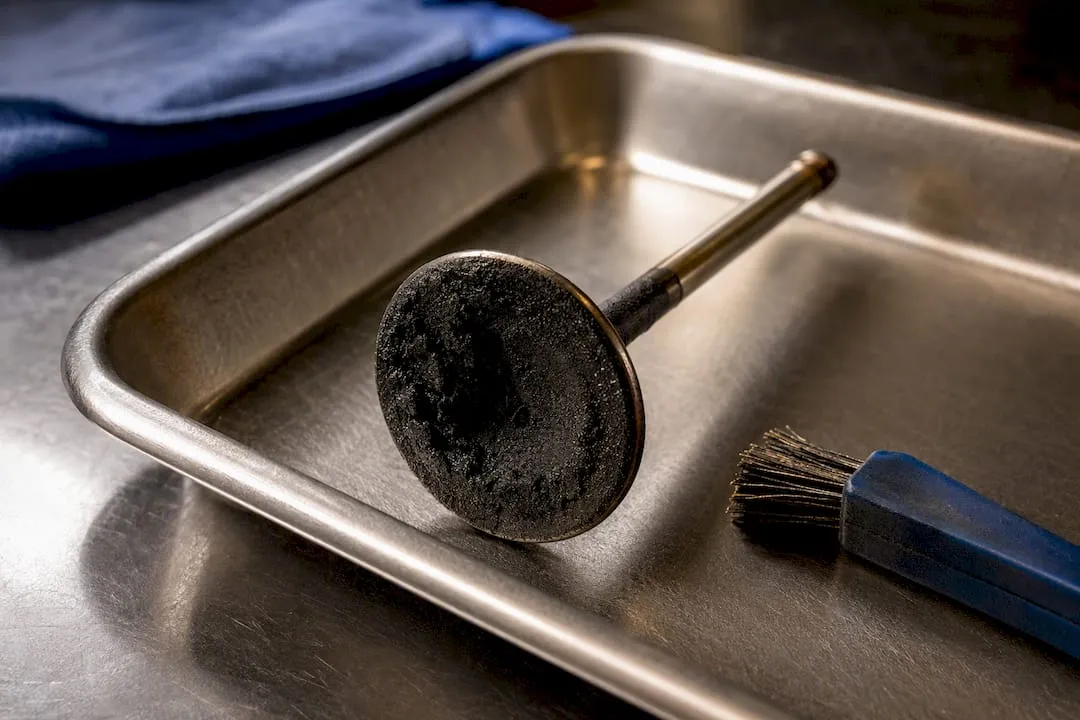
The second pattern shows up on Honda’s turbocharged 1.5T direct-injection engines, found in the Civic, CR-V, and Accord. GDI turbo engines are prone to intake-valve carbon buildup, which restricts airflow into individual cylinders and can produce a chronic, recurring misfire that ignition parts alone won’t resolve. This is a mechanical airflow problem masquerading as an electrical one, and it trips up a lot of DIY diagnostics.
How Do You Diagnose a P0301 Code Step by Step?
Diagnosing cylinder 1 misfires the right way means working from the cheapest, fastest checks toward the more invasive ones. Skipping ahead to parts replacement without doing the early steps is how people end up buying three ignition coils before finding the actual problem.
- Read the codes and freeze-frame data. Start with a full scan, not just the P0301 code. Related codes like P0171 (system too lean, bank 1), P0351 (ignition coil primary/secondary circuit), or a broader P0300 series (random/multiple cylinder misfire) change the diagnosis significantly. A P0300 alongside P0301 points toward something affecting the whole engine, like fuel pressure or a vacuum leak, rather than a single bad part in cylinder 1.
- Visually inspect the ignition components. Pull the coil boot and look at the spark plug. Check for oil fouling, carbon fouling, a cracked porcelain insulator, or an incorrect gap. Inspect the coil connector and surrounding wiring for corrosion, melted plastic, or a loose pin.
- Run a coil swap test. Swapping the ignition coil between cylinder 1 and an adjacent cylinder is one of the highest-value diagnostic steps you can take because it costs nothing and takes ten minutes. If the misfire follows the coil to its new cylinder, you’ve confirmed the coil is bad. If it stays on cylinder 1, the coil is fine and you look elsewhere.
- Run a spark plug swap test. Same logic, different part. Swap the cylinder 1 plug with a known-good plug from another cylinder. If the misfire moves, the plug was the problem, assuming the correct gap and part number were used in the first place.
- Check the injector. A mechanic’s stethoscope on the injector body should reveal a steady clicking pattern when the engine runs; silence or an erratic click suggests an electrical fault. A noid light checks for a proper trigger pulse at the injector connector, and most scan tools can also display individual injector pulse width in live data, which flags a cylinder running abnormally rich or lean.
- Do a fuel pressure sanity check if multiple cylinders are affected. If P0301 shows up alongside misfires on other cylinders, or alongside a lean code, check fuel pressure against the service manual specification before assuming it’s isolated to one injector or coil.
- Run a compression test, including wet and dry. This is the test that separates ignition and fuel problems from mechanical ones. Pull all the plugs, disable the fuel and ignition systems, and crank each cylinder while reading compression. If cylinder 1 reads noticeably low, add a small amount of oil into the cylinder and retest. A significant jump in the wet reading points to worn rings; little to no change points toward a valve or head gasket issue instead.
- Borescope the intake for carbon on GDI engines. On the 1.5T turbo engines, a low-cost inspection camera fed through the intake manifold, spark plug hole, or throttle body reveals carbon deposits on the backs of the intake valves. Heavy buildup usually calls for a walnut-blasting service rather than more ignition parts.
- Know when to suspect the harness or PCM. If every component tests good in isolation but the misfire persists or moves unpredictably, the problem may be in the wiring harness itself, a grounding issue, or in rare cases the PCM. This is also the point where you escalate toward head work or an engine rebuild if compression numbers came back genuinely bad.
Reading live PCM data accurately at each of these steps matters more than most DIY guides admit. Understanding how a scan tool actually interprets ECU signals helps you avoid misreading a normal sensor fluctuation as a fault, which is a common mistake when working from raw live data streams instead of pre-set diagnostic routines.
What Should You Know About Honda’s Engine-Specific Quirks?
Honda’s engine lineup spans several generations and architectures, and P0301 behaves a little differently depending on which one you’re working on.
- On older V6 models with VCM, a misfire that looks isolated to cylinder 1 sometimes traces back to VCM hardware rather than the ignition system itself; a shop check of the VCM solenoids and oil pressure switches rules this out early.
- The cylinder 1 coil position on R18 and K-series four-cylinder engines sits close to sources of engine heat, and repeated heat cycling over years of driving is a leading reason coils fail there before other cylinders show problems.
- On the 1.5T turbo engines, carbon buildup on the intake valves is a well-documented recurring cause of P0301, and it tends to reappear even after ignition parts are replaced if the carbon itself is never addressed.
- Watch for oil dilution symptoms on 1.5T engines, meaning oil level reading unexpectedly high or a fuel smell from the dipstick; oil dilution on the 1.5T engine can compound misfire problems and may call for addressing the oil condition alongside the ignition repair.
- Using the correct OEM-specified spark plug type and gap for each engine family prevents repeat misfires, since older R18 and K-series engines and newer 1.5T engines don’t share the same specification, and installing the wrong gap is a common reason a “fixed” misfire returns within weeks.
A shop’s spark plug and ignition system service work follows this same principle: matching the plug and gap to the exact engine family rather than grabbing a generic part off the shelf. Consulting the Honda service manual for the specific engine code, not just the model year, is the only reliable way to confirm gap and torque specifications before reinstalling anything.
What Do P0301 Repairs Typically Cost?
Repair costs for a cylinder 1 misfire scale directly with how much diagnostic time it takes to find the actual cause, not just the price of the part that eventually gets replaced. Published repair estimates for ignition coils on Honda engines commonly range from $80 to $450 depending on the specific engine and local labor rates, and that range reflects real variation, not padding.
Typical repair paths, roughly ordered by cost, include:
- Spark plug replacement, generally the least expensive fix when caught early and done as a full set rather than a single plug.
- Ignition coil replacement, which runs higher than a plug because of both part cost and, on some engines, more involved access.
- Injector cleaning or replacement, which varies widely depending on whether cleaning resolves it or a full injector swap is needed.
- Wiring or connector repair, often inexpensive in parts but labor-intensive to trace and fix properly.
- Intake valve carbon cleaning (walnut blasting) on GDI turbo engines, a specialized service that costs more than ignition work but addresses a root cause ignition parts can’t fix.
- Head or internal engine work, the most expensive outcome, reserved for cases where compression testing confirms worn rings, a bad valve, or a blown head gasket.
Independent-shop diagnostic estimates factor in the specific engine configuration and the time needed to pinpoint the cause rather than a flat number, which is why two shops can quote different totals for what looks like the same code. Replacing only one component, like grabbing a coil online without confirming it’s the actual failure point, risks paying twice: once for the wrong part, and again for the diagnostic time you skipped the first time around.
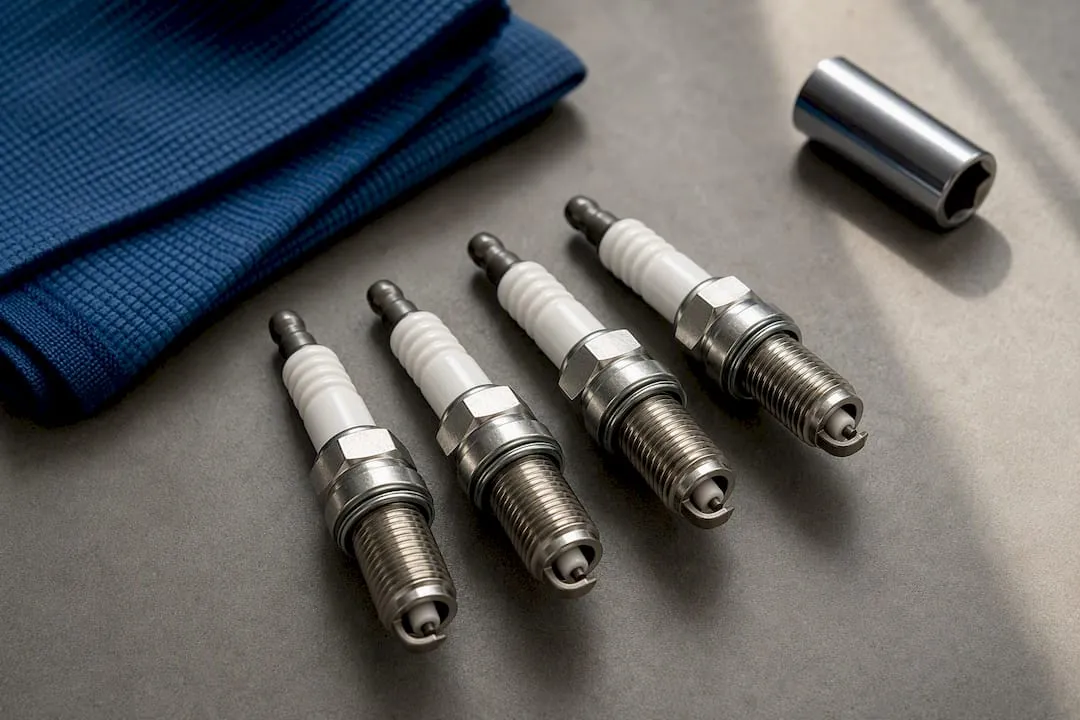
Parts quality matters as much as diagnosis. OEM or well-established aftermarket brands like NGK and Denso for spark plugs have a stronger track record than unbranded bulk coils, and plugs should generally be replaced as a full set rather than one at a time, since the others are usually close behind in wear.
Is It Safe to Keep Driving With a P0301 Code?
The MIL’s behavior is your clearest signal for what to do next. A flashing light or a car that has entered limp mode means continuing to drive risks damaging the catalytic converter and, in some cases, the engine itself. Stop driving, and arrange a tow or have it looked at immediately rather than trying to nurse it home.
A steady MIL with mild symptoms, like a slightly rough idle or minor hesitation, generally allows for careful driving straight to a shop. Avoid sustained highway speeds, heavy acceleration, or towing anything until it’s diagnosed, since load makes an existing misfire worse and speeds up any related damage.
Before your appointment, jot down a few details that speed up diagnosis considerably:
- The exact codes stored, including any secondary codes alongside P0301
- What the freeze-frame data showed, if you have access to it (RPM, load, coolant temperature)
- Whether you’ve noticed the oil level rising or a fuel smell around the engine
- Any audible symptoms, like a ticking, popping, or misfire you can hear from inside the cabin
A check engine light diagnosis that starts with this information usually moves faster than one starting from scratch, since it points the technician straight at the freeze-frame conditions instead of waiting for the misfire to reproduce on the lift.
How Do You Confirm the Misfire Is Actually Fixed?
A repair isn’t verified just because the Check Engine light goes off. Clearing codes with a scan tool and running an adaptation or drive cycle, typically 10 to 20 minutes covering a mix of idle, steady speed, and light acceleration, lets the PCM relearn normal operating parameters for that cylinder.
During that drive cycle, watch live data rather than just the dashboard light:
- The misfire counter for cylinder 1 should stay at zero throughout the drive, including under load
- Fuel trims should normalize and stabilize rather than drift toward the lean or rich extremes
- No new codes should appear, particularly not a P0300 series code indicating a broader problem
If the code returns after this verification drive, especially intermittently, that usually points toward a fault the initial checks missed, like a wiring issue that only shows up under vibration or heat, or a second failing component that was masked by the first, more obvious one. At that point, going back through the compression and injector checks with fresh eyes is the right move rather than assuming the same part failed again.
What Happens During a Professional P0301 Diagnostic Visit?
A thorough shop visit for a cylinder 1 misfire follows a logical sequence: a full code scan and freeze-frame review, coil and plug inspection with swap testing where warranted, injector checks, a compression test when mechanical wear is suspected, and a borescope inspection on GDI turbo engines when carbon buildup is a possibility.
Working through diagnostics in that order, rather than replacing parts on a guess, tends to avoid the cost of swapping multiple components before finding the actual cause. A coil replaced without confirmation, for instance, adds expense without resolving a misfire rooted in low compression or a fuel injector.
| Diagnostic Step | What It Rules In or Out |
|---|---|
| Scan and freeze-frame review | Confirms which cylinder, under what conditions, and whether related codes point elsewhere |
| Coil and plug swap test | Isolates ignition component failures without guessing |
| Injector check | Identifies fuel delivery faults versus ignition faults |
| Compression and wet/dry test | Separates mechanical wear (rings, valves, head gasket) from electrical causes |
| Borescope inspection | Confirms intake valve carbon buildup on GDI turbo engines |
Services relevant to resolving P0301 on a Honda, including ignition diagnostics, injector testing, and carbon cleaning, fall within the scope of routine Honda repair and maintenance work.
Get a Full P0301 Diagnostic Instead of Guessing at Parts
Swapping a coil, then a plug, then an injector, and hoping one of them fixes a misfire adds up fast, and it often costs more than a proper diagnostic would have in the first place. A structured diagnostic process that checks freeze-frame data, ignition components, injectors, compression, and intake carbon buildup before recommending a repair is typically preferable to a trial-and-error approach for resolving Honda cylinder 1 misfires.
Independent specialists commonly treat every misfire diagnosis by reading the codes, confirming the cause with real testing, then repairing only what’s actually broken. That approach applies directly to P0301, where the difference between a bad plug, a failing coil, and carbon buildup on a 1.5T turbo engine changes the entire repair plan. Independent Honda services and repair covers this kind of diagnostic work alongside the broader maintenance a Honda needs over its life. If your Check Engine light is on or your Civic, Accord, or CR-V has started running rough, schedule a diagnostic visit and get a clear answer on what cylinder 1 actually needs.
Sources
- Honda P0301 code (OBDsale)
- P0301 Honda Civic: Common Causes & Fix Cost | AmpAuto
- P0301 – Cylinder #1 misfire detected | OBDeleven
- Code P0301 (DecodeAuto)
FAQ
How Do You Fix a P0301 Cylinder 1 Misfire?
Start with the cheapest checks: read freeze-frame data, then swap-test the spark plug and ignition coil into another cylinder to see if the misfire follows the part. If those check out, move to injector testing and a compression test to rule out fuel delivery or mechanical wear before replacing anything.
Is It Okay to Drive With a P0301 Code?
If the Check Engine light is steady and symptoms are mild, limited driving straight to a shop is generally fine. If the light is flashing or the car enters limp mode, stop driving immediately, since continuing to drive risks catalytic converter damage.
What Is the Most Common Cause of a Cylinder 1 Misfire?
A worn or fouled spark plug is typically the single most common cause on Honda engines, closely followed by a failing ignition coil. On turbocharged GDI engines, intake-valve carbon buildup is also a frequent recurring cause.
What Is the Most Common Cause of the P0301 Code Overall?
Across most vehicles, ignition system faults, meaning a bad spark plug or coil, account for the majority of P0301 cases, with fuel injector problems, wiring faults, and low compression making up the remaining cases in roughly that order of likelihood.


