

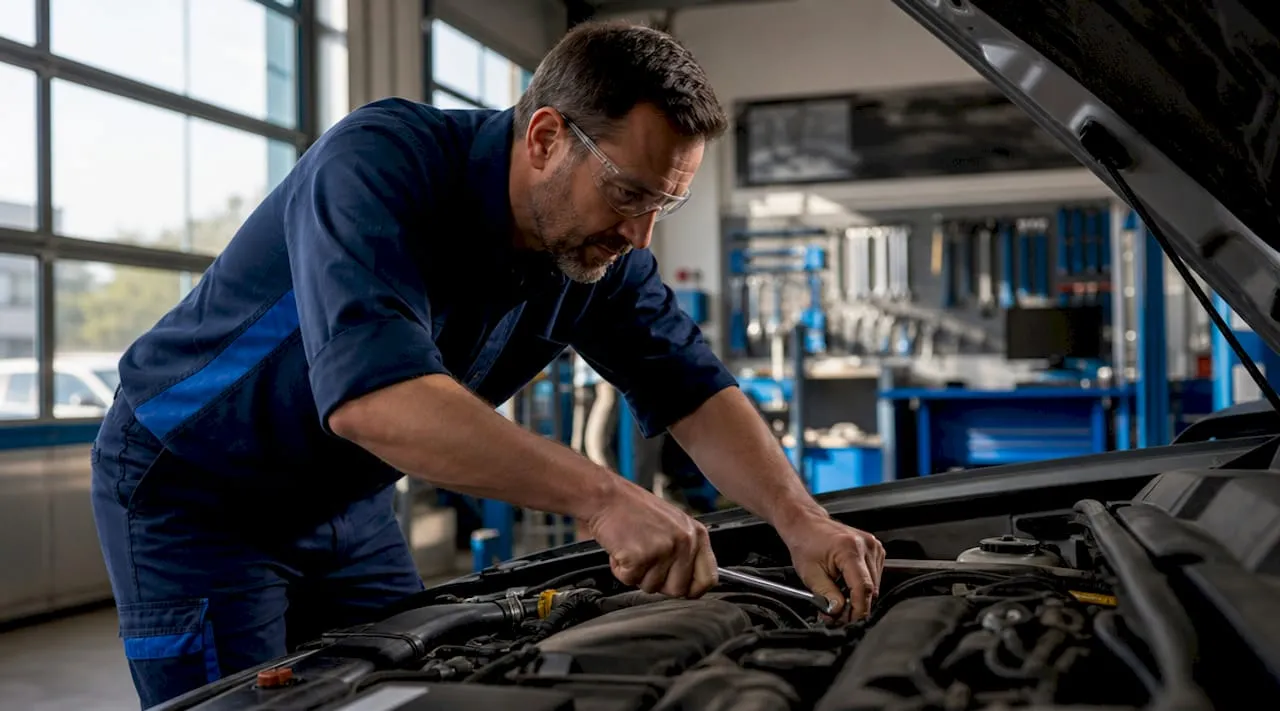
Transmission repair in Portland, Oregon, is the process of diagnosing and fixing mechanical or electronic failures in a vehicle’s transmission system to restore safe, reliable performance. Portland’s stop-and-go traffic, wet winters, and hilly terrain put real stress on transmissions. Ignoring early warning signs leads to failures that cost far more to fix than a timely repair would have. Integrityautoinc, an independent specialist serving Toyota, Lexus, Subaru, and Honda owners, treats transmission concerns with the same urgency you would. This article covers the symptoms to watch for, how to choose a qualified shop, and what maintenance keeps your transmission running longer.
What are the most common transmission problems in Portland vehicles?
Transmission problems follow a predictable pattern. Common symptoms include slipping gears, delayed or rough shifting, fluid leaks, and unusual grinding or whining noises. Each symptom points to a different root cause, so identifying them early matters.
Portland’s driving environment makes these problems more likely. Stop-and-go traffic increases transmission wear because the unit cycles through gear changes far more often than it does on open highways. Wet roads and frequent temperature swings add to the stress on seals and fluid quality.
Here are the most common issues Portland drivers report:
- Slipping gears: The engine revs but the car does not accelerate properly. This often signals worn clutch packs or low fluid pressure.
- Delayed shifting: A pause between pressing the gas and feeling the car respond. This can indicate a failing solenoid or contaminated fluid.
- Fluid leaks: Reddish fluid under the car after parking. A leak left unchecked leads to overheating and internal damage.
- Unusual noises: Grinding, clunking, or whining during gear changes. These sounds often mean worn bearings or damaged gear sets.
- Warning lights: The check engine light or a dedicated transmission warning light. These should never be ignored, even if the car seems to drive normally.
Pro Tip: Check your transmission fluid color every few months. Healthy fluid is bright red and slightly translucent. Dark brown or black fluid with a burnt smell means it needs replacement before damage occurs.
Catching these signs early is the difference between a fluid service and a full rebuild. A shift quality diagnostic performed by a trained technician can pinpoint the exact cause before it escalates.
Why does specialized transmission service matter for Portland car owners?
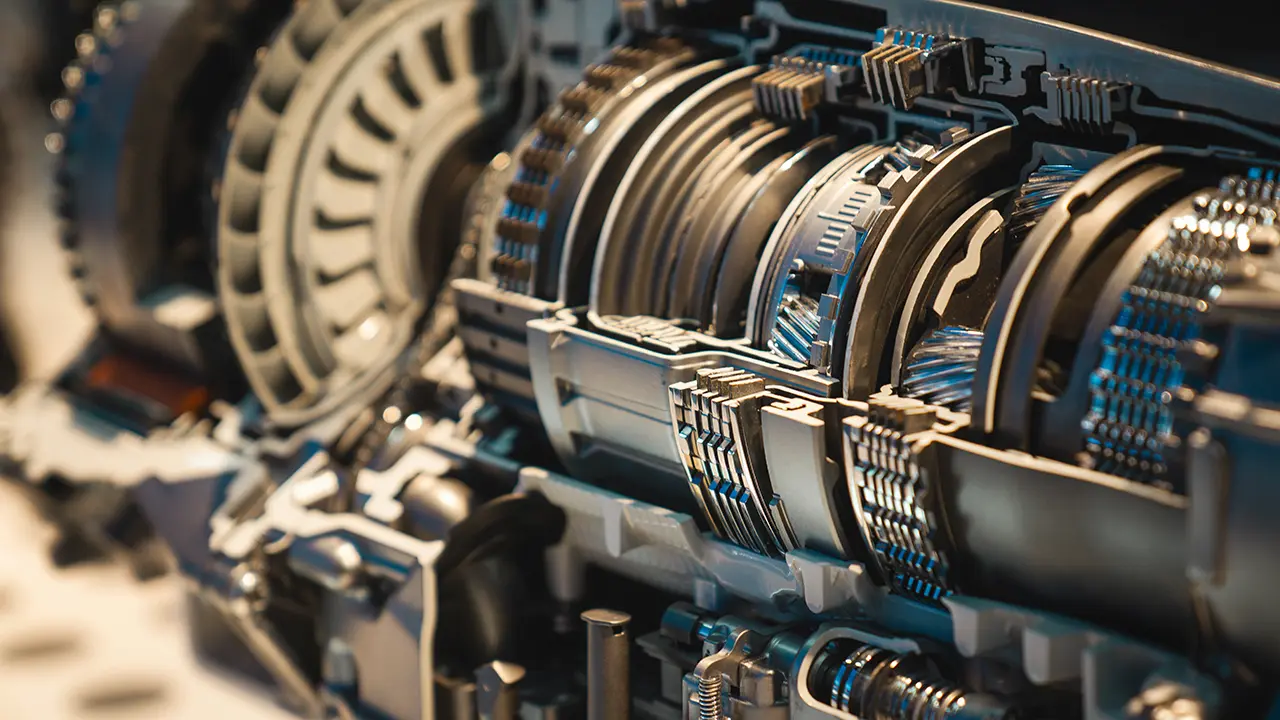
General auto repair shops handle dozens of different systems across hundreds of vehicle makes. That breadth comes at a cost. Transmission systems are among the most mechanically complex components in any vehicle, and accurate diagnosis requires focused training and updated technical knowledge.
Specialization allows shops to maintain updated technical manuals and training specific to certain makes, which is crucial for accurate transmission repairs. Independent shops that have focused exclusively on specific makes since 2001 demonstrate deeper technical expertise compared to generalist shops. That depth shows up directly in diagnostic accuracy and repair quality.
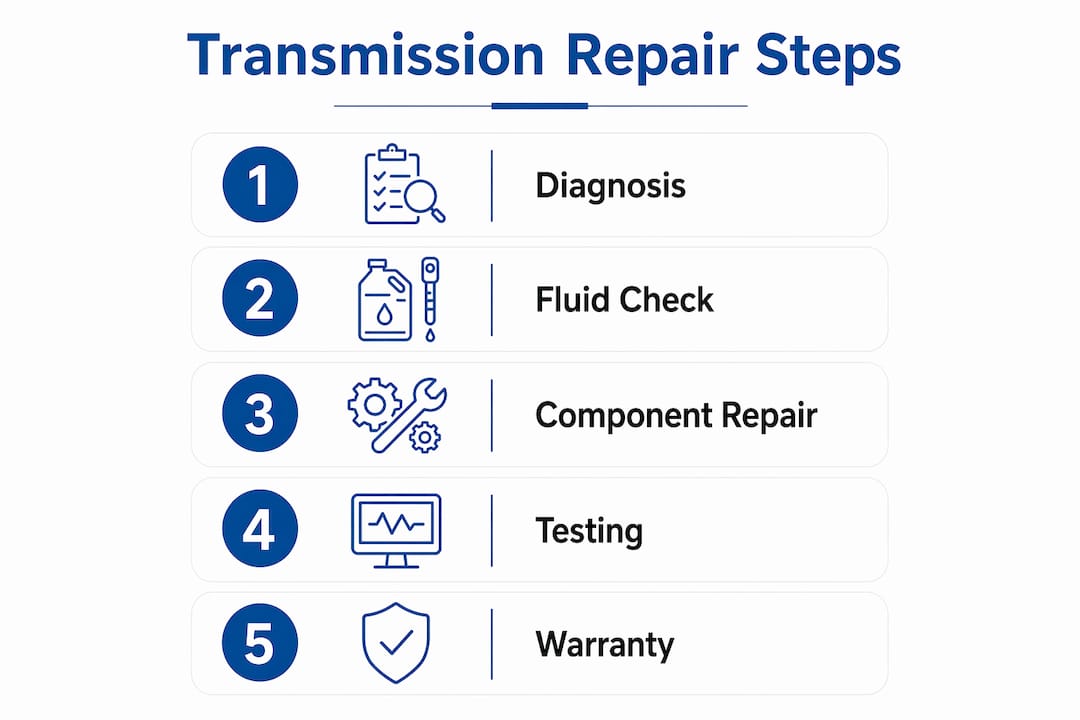
Specialized transmission service includes fluid replacement, sensor testing, shift quality diagnostics, and full drivetrain inspections as standard offerings. A generalist shop may perform only a basic scan and fluid top-off, missing the underlying cause entirely.
Integrityautoinc focuses specifically on Toyota, Lexus, Subaru, and Honda vehicles. That focus means technicians know the exact transmission variants, known failure points, and factory specifications for each model. You can review the makes we specialize in to confirm your vehicle is covered before you book.
Professional shops also use advanced diagnostic equipment, including computer scanning and sensor testing, to identify faults that a visual inspection alone would miss. This equipment is expensive to purchase and maintain, which is another reason generalist shops often skip it.
Pro Tip: Ask any shop you call whether they have experience with your specific vehicle make and transmission type. A shop that hesitates or gives a vague answer is telling you something important.
How do you choose the right transmission shop in Portland?
Choosing the right shop protects you from unnecessary repairs, inflated costs, and work that does not hold up. Several factors separate trustworthy shops from unreliable ones.
Transparency and warranty coverage are the two most important factors customers should evaluate. A shop that explains the diagnosis clearly, provides a written estimate before work begins, and backs its repairs with a warranty is one that stands behind its work.
Portland transmission shops commonly offer warranties up to 2 years or 24,000 miles for completed repairs. Any shop unwilling to offer a written warranty on transmission work is a red flag worth taking seriously.
Use this table to evaluate any shop before committing:
| Evaluation factor | What to look for |
|---|---|
| ASE certification | Technicians hold current Automotive Service Excellence credentials |
| Written estimate | Itemized cost breakdown provided before work begins |
| Warranty terms | At least 12 months or 12,000 miles in writing |
| Diagnostic process | Uses computer scanning and sensor testing, not guesswork |
| Reputation | Verified local reviews and a physical address |
| Towing support | Roadside assistance available if the vehicle cannot be driven |
Red flags to avoid:
- Shops that quote a repair price before completing a diagnostic
- Verbal-only estimates with no written documentation
- No warranty offered on parts or labor
- Pressure to approve additional repairs immediately without explanation
Towing and roadside assistance within a 60-mile radius is a service some Portland shops provide for customers whose transmissions fail on the road. Confirming this option before you need it saves significant stress during an emergency.
The auto services page at Integrityautoinc outlines the diagnostic and repair process clearly, which is exactly the kind of transparency worth expecting from any shop you consider.
How can Portland drivers maintain their transmission and avoid costly repairs?
Routine maintenance is the most cost-effective way to avoid a major transmission repair. Most transmission failures are preventable with consistent attention to a few key areas.
- Check transmission fluid every 30,000 miles. Proper fluid levels and quality prevent overheating and mechanical wear. Low or contaminated fluid is the leading cause of premature transmission failure.
- Schedule a fluid replacement on time. Fluid service removes worn particles and heat-degraded fluid before they cause internal damage. Most manufacturers recommend a change every 30,000–60,000 miles depending on driving conditions.
- Adjust your driving habits in heavy traffic. Portland’s commute patterns put extra load on the transmission. Avoid aggressive acceleration from stops, and allow the vehicle to fully stop before shifting between drive and reverse.
- Request a transmission inspection during routine service. A technician performing an oil change can visually check for leaks, inspect fluid condition, and flag early wear signs at minimal additional cost.
- Address warning signs immediately. A slipping gear or delayed shift that appears once will not fix itself. Waiting weeks to schedule service turns a $300 fluid service into a $3,000 rebuild.
- Avoid overloading your vehicle. Towing beyond your vehicle’s rated capacity generates heat that degrades transmission fluid rapidly. If you tow regularly in Portland, shorten your fluid change intervals accordingly.
Specialized shops that focus on dust-free and controlled repair environments also reduce the risk of contamination during fluid services and component replacements. That level of care in the shop environment reflects the overall quality standard you should expect.
Key Takeaways
Transmission repair in Portland, Oregon, requires early symptom recognition, specialized diagnostics, and a shop that offers written warranties and transparent pricing to protect your vehicle and your budget.
| Point | Details |
|---|---|
| Recognize symptoms early | Slipping gears, delayed shifts, and fluid leaks signal problems before they become failures. |
| Choose a specialist | Shops focused on specific makes deliver more accurate diagnostics than generalist garages. |
| Demand written warranties | Reputable Portland shops offer at least 12 months or 12,000 miles of warranty coverage. |
| Maintain fluid regularly | Transmission fluid replacement every 30,000–60,000 miles prevents the majority of failures. |
| Verify transparency | A trustworthy shop provides a written, itemized estimate before any repair work begins. |
What I’ve learned after years of watching Portland drivers wait too long
The most expensive transmission repairs I see are the ones that started as something small. A driver notices a slight hesitation when the car shifts from second to third. They assume it will go away. Three months later, the transmission slips under load, and what would have been a $400 fluid service and solenoid replacement becomes a $4,000 rebuild.
Portland’s traffic makes this worse than it sounds. The city’s combination of bridge crossings, frequent stops, and steep neighborhood streets means transmissions here work harder than in most American cities. A vehicle that might go 80,000 miles between major transmission services in a flat, rural area may need attention at 50,000 miles here.
What I find most telling is how often drivers choose a shop based on price alone. A low quote without a diagnostic is not a deal. It is a guess. The shops I respect are the ones that run a proper computer scan, explain what they found in plain language, and put the warranty in writing before they touch the car. That process costs a little more upfront and saves a lot more later.
Integrityautoinc operates exactly that way. The focus on Toyota, Lexus, Subaru, and Honda means the technicians know these transmissions specifically, not generically. That specificity matters when the difference between a correct diagnosis and a wrong one is several thousand dollars.
Integrityautoinc: transmission service Portland drivers can rely on
Integrityautoinc is an independent specialist for Toyota, Lexus, Subaru, and Honda owners in Portland, Oregon. The shop provides a genuine alternative to dealership pricing without sacrificing technical depth or diagnostic accuracy.
Transmission concerns, from fluid services to full rebuilds, are handled with the same care the shop applies to every repair. Integrityautoinc technicians use proper diagnostic equipment, provide written estimates, and back their work with clear warranty terms. The shop’s full range of repair services covers everything from routine maintenance to complex drivetrain work. If your vehicle cannot be driven, towing support is available. Contact Integrityautoinc to schedule a transmission diagnostic before a small problem becomes a large one.
FAQ
What are the signs that my transmission needs repair?
Common warning signs include slipping gears, delayed or rough shifting, fluid leaks, and grinding noises during gear changes. A check engine light combined with any of these symptoms warrants an immediate diagnostic.
How much does transmission repair cost in Portland, Oregon?
Costs vary widely depending on whether the repair involves a fluid service, a component replacement, or a full rebuild. Getting a written, itemized estimate after a proper diagnostic is the only reliable way to know the actual cost for your vehicle.
How long does a transmission repair take?
A fluid service or solenoid replacement typically takes one to two days. A full transmission rebuild can take three to five days depending on parts availability and the complexity of the unit.
Do Portland transmission shops offer warranties?
Reputable shops offer warranties up to 2 years or 24,000 miles on transmission repairs. Always request warranty terms in writing before approving any work.
Is it worth repairing a transmission or replacing the vehicle?
Repair is almost always the better financial decision unless the vehicle has significant additional mechanical problems. A properly rebuilt transmission on a well-maintained vehicle can last another 100,000 miles or more.


