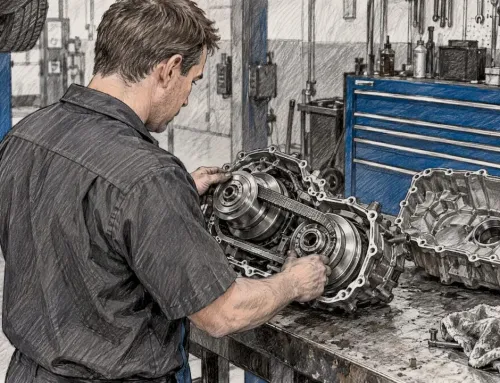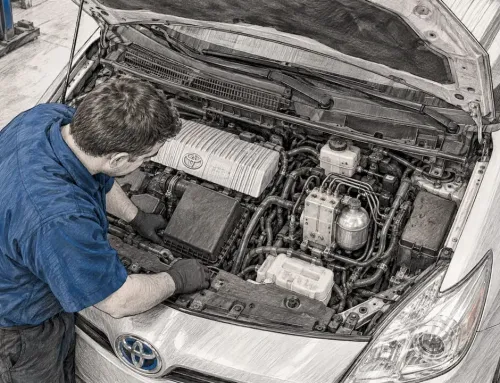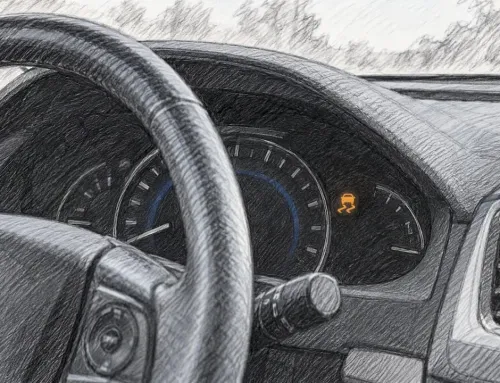

Brakes squeaking after new pads and rotors are installed is defined by mechanics as post-installation brake noise, and it is one of the most common concerns car owners bring to a shop after a brake job. The noise almost always traces back to one of four causes: improper bedding, rotor surface contamination, missing or worn hardware, or an installation error. Understanding which cause applies to your situation tells you whether you need to drive through the noise or return to the shop. This article walks through each cause clearly, so you know exactly what to do next.
1. Why do my brakes squeak after new pads and rotors: the bedding process
The single most common reason for squeaking brakes after replacement is a skipped or incorrectly performed bedding procedure. Bedding is the process of transferring a thin, microscopic layer of pad material onto the rotor surface. Without that transfer layer, the pad grips bare metal unevenly, which creates vibration and noise.

Experts recommend 8–10 controlled stops from 30–40 mph with gradual cooling between each stop. The key is building heat gradually, not slamming the brakes hard. Aggressive stops cause glazing, which bakes an uneven layer onto the rotor and locks in the squeal.
Here is what proper bedding looks like in practice:
- Accelerate to 30–40 mph on an empty road
- Apply moderate, firm brake pressure to slow to about 5 mph without fully stopping
- Allow 30–60 seconds of cooling while rolling slowly
- Repeat 8–10 times, then let the brakes cool completely before normal driving
Pro Tip: Never come to a complete stop while the rotors are hot during bedding. Stopping while hot concentrates heat in one spot and creates a hard deposit on the rotor that causes persistent judder and squeal.
The friction transfer layer formed during bedding is what the pads actually grip. Skipping this step is the most preventable cause of brakes still squeaking after replacement.
2. Rotor surface contamination from factory coatings
New rotors arrive from the factory coated with an anti-corrosion oil. This coating protects the rotor during shipping and storage. If you do not remove it before installation, those oils bake onto the rotor surface during the first few hard stops and create a glazed layer that causes persistent squealing.
Factory oily coatings that are not cleaned off can cause permanent glazing, which may require rotor machining or full replacement to fix. That is an expensive outcome for a problem that takes five minutes to prevent.
Signs that rotor contamination is the cause of your noise:
- Squealing starts immediately after the first few stops
- The noise does not fade after 50–100 miles of normal driving
- The rotor surface looks shiny or has a slight oily sheen
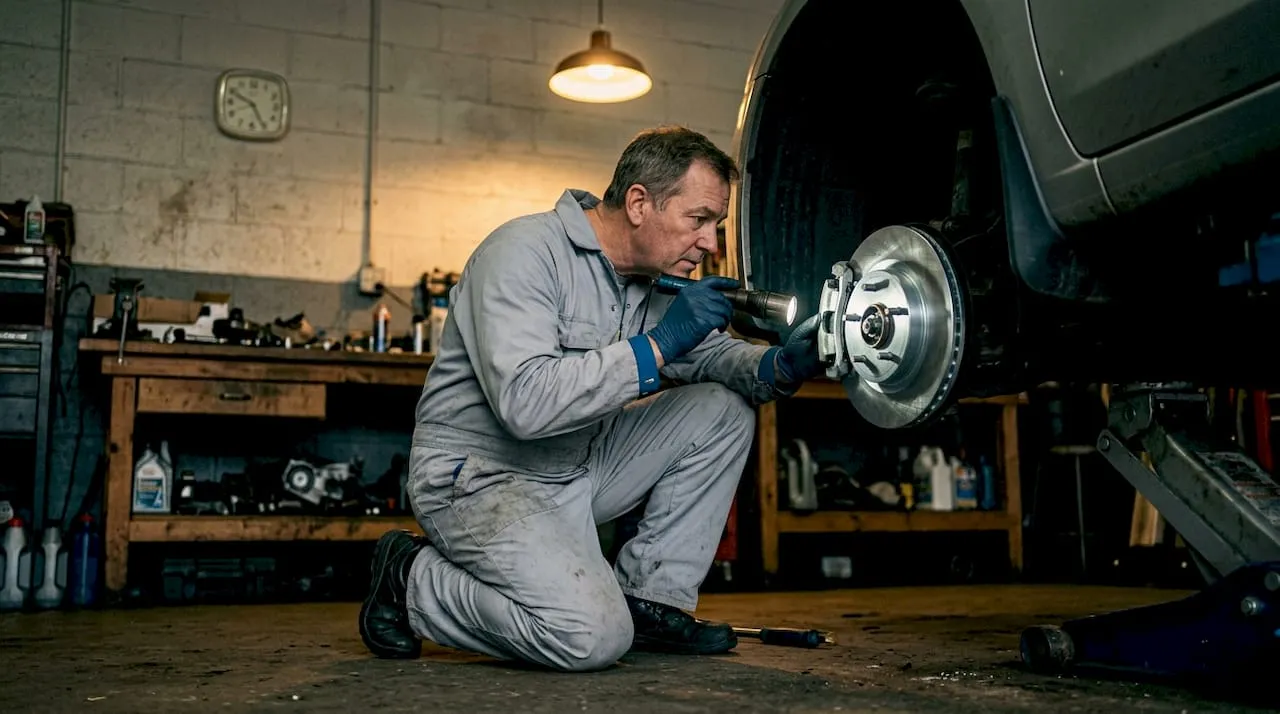
The fix before installation is straightforward: wipe every new rotor thoroughly with brake cleaner and a clean lint-free cloth. Do this right before the rotor goes on the hub. Any contact with bare hands after cleaning reintroduces oils from your skin, so handle rotors by the edges or wear clean gloves.
3. Old or missing brake hardware causing vibration
New brake hardware is the number one overlooked cause of unexplained squeaking after new pads are installed. Anti-rattle clips, shims, and caliper slide pins all work together to hold the pad firmly and damp vibrations. When these parts are worn, corroded, or simply reused from the old brake job, they fail to control pad movement and the pad vibrates against the rotor at a frequency you hear as a squeal.
Proper lubrication of pad ears, caliper piston contact points, and slide pins is equally necessary. High-temperature brake grease applied to these contact points prevents binding and noise. Grease must never touch the pad friction surface or the rotor face.
Common hardware mistakes that lead to front brakes squeaking after replacement:
- Reusing old anti-rattle clips that have lost their spring tension
- Skipping shims or installing them in the wrong orientation
- Failing to clean and lubricate caliper slide pins before reassembly
- Overtightening or undertightening caliper bolts beyond manufacturer torque specs
Pro Tip: Most brake pad kits include new hardware. Always install every piece in the kit, even if the old clips look fine. Worn clips are often the only difference between a quiet brake job and one that squeaks for months.
You can learn more about how caliper function affects noise and what proper installation looks like for Toyota and Lexus vehicles specifically.
4. Installation errors and mechanical issues
Some squeaking after brake replacement comes from problems that have nothing to do with bedding or hardware. These are mechanical errors made during the job itself, and they require a physical inspection to identify.
- Bent dust shield. The thin metal dust shield sits just behind the rotor. If it gets bent during the job, it rubs the rotor constantly and creates a metallic scraping sound that happens whether or not you press the brake pedal.
- Sticking caliper. A caliper that does not retract fully keeps the pad pressed against the rotor. This causes constant drag, heat buildup, uneven wear, and a persistent squeal or screeching sound.
- Debris between pad and rotor. A small stone or piece of road grit trapped between the pad and rotor creates an immediate grinding or screeching noise. It usually clears on its own within a few stops, but if it does not, the rotor surface may already be scored.
- Incorrect pad fitment. Pads that are slightly too large or too small for the caliper bracket can shift during braking and vibrate. Always verify part numbers match the vehicle’s year, make, and model before installation.
Squealing that occurs without pressing the brake pedal is a reliable sign of a mechanical clearance problem, not a bedding issue. If the noise happens while simply rolling down the street, inspect the dust shield and caliper before assuming the pads need more break-in time.
5. How to tell normal break-in noise from a real problem
Light squeaks during the first 50–200 miles after brake replacement are normal. They reflect the pad and rotor surfaces still conforming to each other. This noise typically fades on its own with regular driving and proper bedding.
The table below separates normal break-in noise from warning signs that require inspection.
| Noise type | Likely cause | Action needed |
|---|---|---|
| Light squeak when braking, fades over time | Normal pad settling | Continue driving, monitor |
| Squeak only in cold or wet conditions | Moisture on rotor surface | Normal, no action needed |
| Constant squeal with or without braking | Bent dust shield or sticking caliper | Inspect immediately |
| Metallic grinding when braking | Debris or worn hardware | Inspect and repair |
| Vibration or pulling with noise | Stuck caliper or uneven pad transfer | Professional inspection required |
Harsh grinding or persistent squeal that does not fade after 200 miles of normal driving indicates a problem that will not self-correct. Stuck calipers, in particular, cause rapid and uneven pad wear that can damage a new rotor within weeks. We advise scheduling an inspection rather than waiting to see if the noise goes away on its own. If you are also noticing shaking, the article on car shaking when braking covers related causes in detail.
Brake service you can count on at Integrityautoinc
Brakes that squeak after replacement are frustrating, especially when you have already paid for new parts. Integrityautoinc specializes in Toyota, Lexus, Subaru, and Honda brake systems and understands exactly where installation errors and preparation mistakes happen.
The team at Integrityautoinc performs thorough brake inspections, proper rotor cleaning and preparation, correct hardware installation, and post-job bedding guidance so the work is done right the first time. If your brakes are still squeaking after replacement and you want a second set of experienced eyes on the job, schedule a brake inspection with Integrityautoinc. We treat your concerns as our own and stand behind every repair with the kind of trust that keeps customers coming back for years.
Key Takeaways
Brakes squeak after new pads and rotors primarily because of skipped bedding, contaminated rotor surfaces, worn hardware, or installation errors that create vibration and uneven pad contact.
| Point | Details |
|---|---|
| Bedding is not optional | Perform 8–10 controlled stops from 30–40 mph to build a proper friction transfer layer. |
| Clean new rotors before installation | Wipe factory anti-corrosion coatings with brake cleaner to prevent glazing and persistent squeal. |
| Replace all hardware with new pads | Old anti-rattle clips and shims are the leading cause of unexplained squeaking after a brake job. |
| Lubricate contact points correctly | Apply high-temp grease to pad ears and slide pins, never to friction surfaces or rotor faces. |
| Know when to seek inspection | Noise that persists past 200 miles or occurs without braking requires professional evaluation. |
FAQ
Why are my brakes still squeaking after replacement?
Brakes still squeaking after replacement most often means the bedding procedure was skipped or done incorrectly, leaving an uneven pad transfer layer on the rotor. Old hardware, contaminated rotor surfaces, or a sticking caliper can also cause the noise to continue.
Is some squeaking normal after new brake pads and rotors?
Light squeaking during the first 50–200 miles after brake replacement is normal and reflects the pad and rotor surfaces conforming to each other. The noise should fade with regular driving and proper bedding.
What does it mean if my brakes squeak without pressing the pedal?
Squealing that occurs without applying the brakes is a sign of a mechanical clearance problem, such as a bent dust shield rubbing the rotor or a caliper that is not fully retracting. This type of noise does not resolve on its own and requires a physical inspection.
Can I fix brake squeaking myself or do I need a mechanic?
If the noise started immediately after a DIY brake job, you can check rotor cleanliness, hardware installation, and perform a proper bedding procedure yourself. Persistent grinding, pulling, or noise without braking requires a professional inspection to rule out caliper or structural issues.
Do drum brakes squeak after replacement for the same reasons?
Drum brakes squeaking after replacement typically traces to contaminated drum surfaces, missing return springs, or improper shoe adjustment rather than bedding. The drum surface should be cleaned with brake cleaner before installation, and all hardware must be replaced with new components.