

The Subaru 60,000-mile service is one of the most significant scheduled maintenance milestones your vehicle will reach. At this interval, factory schedules typically call for an engine oil and filter change, spark plug replacement, engine and cabin air filter replacement, brake fluid flush, a multi-point inspection, and fluid top-offs. Drivetrain fluid items such as CVT fluid and differential fluid vary by model and driving conditions. Kelley Blue Book’s Subaru maintenance schedule confirms that transmission fluid (non-CVT), brake fluid, and both air filters are standard 60K items on most models.
Dealer estimates for this service commonly run from several hundred dollars to above a thousand depending on model and how many optional items the advisor bundles in. The single most important step before authorizing any work: pull your owner’s manual or look up your VIN-specific maintenance schedule, then request a written, line-item estimate from the shop.
- Must-do at 60K (most models): engine oil and filter, spark plugs, engine air filter, cabin air filter, brake fluid flush, multi-point inspection, tire rotation
- Model/drivetrain-dependent: CVT fluid, differential fluid, transfer case fluid
- Commonly optional (not factory-required for normal driving): fuel induction cleaning, A/C evaporator service, battery “conditioning,” coolant flush (often not due until 100K+)
- Independent shop option: Integrityautoinc’s 60K scheduled service provides written line-item estimates and documented multipoint inspections for Subaru owners in Portland, Oregon.
Key Takeaways
The Subaru 60,000-mile service is a factory-defined milestone that requires specific items for safety and longevity, and owners who separate required tasks from optional dealer add-ons consistently pay less while protecting their vehicle and warranty.
| Point | Details |
|---|---|
| Factory-required items | Oil/filter, spark plugs, both air filters, brake fluid, and a multi-point inspection are standard on most 60K schedules. |
| Dealer vs independent cost | Dealer estimates commonly run $800–$1,800; independent shops typically charge 20–40% less on labor and markup. |
| CVT fluid is model-dependent | Not always listed as mandatory, but widely recommended at 60K to prevent shudder and premature CVT wear. |
| Document everything | Keep every invoice; documented maintenance at an independent shop using OEM-spec fluids protects warranty claims under the Magnuson-Moss Warranty Act. |
| Integrityautoinc | Provides written line-item estimates and documented multipoint inspections for Subaru 60K service in Portland, Oregon. |
—## Useful sources
The following sources were used to verify factory schedule items, owner-reported costs, and shop-level service guidance:
- Factory schedule reference: Kelley Blue Book Subaru Maintenance Schedule — lists standard 60K items including oil and filter, transmission fluid (non-CVT), air filters, brake fluid, and multi-point check
- Owner-reported invoices (Outback forum): 60K suggested service sticker shock — documents dealer estimates near $1,600–$1,700 with optional items included
- Owner-reported invoices (Ascent forum): 2020 Ascent 60K service thread — documents wide cost variation and community guidance on what to authorize
- CVT and transmission service procedures: Integrityautoinc transmission flush page — explains drain-and-fill vs full exchange and time/cost implications
- Reading a scheduled service estimate: Understanding the 30K/60K/90K mileage services — plain-language guide to interpreting shop estimates
Table of Contents
- What the Subaru 60K service actually includes, item by item
- How model, engine type, and CVT vs non-CVT change your 60K checklist
- What a Subaru 60K service costs: dealer vs independent, line by line
- Is the 60K service necessary, and what happens if you skip it?
- How to prepare for the appointment and what to ask the service advisor
- What you can reasonably do yourself at 60K and what needs a shop
- What a trustworthy independent Subaru specialist should offer
- How long a Subaru 60K service typically takes
- What owners actually see on dealer estimates: common upsells and forum evidence
- Integrityautoinc: a practical 60K option for Subaru owners in Portland
- Sources
- FAQ
What the Subaru 60K service actually includes, item by item
Kelley Blue Book’s maintenance data lists the following as standard 60,000-mile items for most Subaru models: oil and filter, transmission fluid (non-CVT), engine and cabin air filter replacement, brake fluid replacement, wiper replacements, and a multi-point service check. The table below breaks down each item with context on why it matters and where to have it done.
Common dealer add-ons that are not factory-required for normal driving:
- Fuel induction or throttle-body cleaning (useful only if symptoms like rough idle are present)
- A/C evaporator cleaning (a comfort item, not a safety or mechanical necessity)
- Battery “service” or terminal treatment (check the battery yourself first)
- Coolant flush (most Subaru schedules push this to 100K or beyond)
- Expensive “complete tune-up” bundles that lump optional items with required ones
Pro Tip: Bring the relevant page from your owner’s manual or your VIN to the appointment. Ask the service advisor to reference the exact factory task code for each line item on the estimate. If a line item has no factory code, it is likely an optional add-on.
How model, engine type, and CVT vs non-CVT change your 60K checklist
Not every Subaru follows the same 60K schedule. The factory maintenance guide differs by model, engine, and transmission type, and owners sometimes discover this only after receiving an estimate that does not match what they expected.
CVT-equipped models (Forester, Outback, Crosstrek, Impreza, Legacy with CVT):
The Subaru CVT fluid change interval is a frequently debated topic in owner communities. The factory schedule does not always list CVT fluid as mandatory at 60K for normal driving conditions, but many experienced owners and independent technicians recommend changing it at or before this interval as preventive maintenance. Degraded CVT fluid is one of the most commonly cited causes of CVT shudder, a vibration or judder felt during light acceleration. Using anything other than Subaru-specified CVT fluid can void the CVT warranty and accelerate wear.
Turbo models (WRX, Forester XT, Legacy GT):
Turbocharged engines typically require more frequent oil changes and may have different spark plug specifications. Confirm the correct plug type and gap in the owner’s manual before authorizing replacement.
Manual transmission models:
Manual transmission fluid is a separate item from CVT fluid. It is not always listed as mandatory at 60K for normal driving, but checking the condition is reasonable at this mileage.
Differential and transfer case fluid:
Subaru’s symmetrical all-wheel-drive system uses front and rear differentials plus a center differential or transfer case. These fluids are sometimes listed as “inspect only” for normal driving but are commonly recommended for change if the vehicle is used for towing, off-road driving, or severe duty. Owners who tow or drive in mountainous terrain should treat these as must-do items.
- Check your owner’s manual for your specific model year and engine code
- Ask the shop to reference your VIN-specific factory maintenance record before adding drivetrain fluid services
- CVT fluid, differential fluid, and transfer case fluid are separate line items; confirm which apply to your vehicle
Pro Tip: Subaru’s owner’s manual includes a “severe duty” schedule alongside the standard schedule. If your driving includes frequent short trips, mountain driving, or towing, the severe duty intervals are shorter and should be followed instead.
What a Subaru 60K service costs: dealer vs independent, line by line
Owner-reported invoices on the Subaru Outback Forums document dealer estimates near $1,600–$1,700 that included optional services many owners consider unnecessary for normal driving. Forum threads for the Subaru Ascent show totals ranging from a few hundred dollars to nearly $3,000 depending on how many optional items the dealer bundles in. The spread is wide because dealers often present a comprehensive package rather than separating factory-required items from elective services.
The table below shows sample cost ranges for individual 60K items. These are representative ranges based on community-reported invoices and general market data; actual prices vary by region, shop, and model.
What drives the cost difference between dealer and independent:
- Dealer labor rates are typically higher per hour than independent shops.
- Dealer parts markup on filters, plugs, and fluids is generally higher than at an independent that sources OEM or equivalent parts directly.
- Dealers often present a bundled package price that includes optional items; independents are more likely to itemize.
- CVT fluid and differential fluid cost depends heavily on whether the shop uses Subaru-specified fluid, which is the correct choice regardless of where the work is done.
Getting a written, line-item estimate before authorizing any work is the most effective way to control cost. Decline optional items in writing if you choose not to proceed with them.
Pro Tip: When reviewing the estimate, ask specifically whether the shop uses Subaru-specified CVT fluid and the correct DOT grade for brake fluid. An independent shop that uses the correct fluids and provides a written record protects your warranty just as well as a dealer.
Is the 60K service necessary, and what happens if you skip it?
The short answer is that the factory-required items are necessary. Skipping them carries real mechanical and safety consequences, not just theoretical ones.
Must-do items per the factory schedule:
- Engine oil and filter (if due at 60K per your interval)
- Spark plugs (iridium plugs on most Subaru engines are due at 60K; worn plugs cause misfires that can damage the catalytic converter)
- Engine and cabin air filters (restricted airflow affects fuel economy and HVAC performance)
- Brake fluid flush (moisture absorption raises the fluid’s water content over time, lowering its boiling point and reducing braking effectiveness; the brake hydraulic fluid flush procedure explains the safety rationale in detail)
- Multi-point inspection (catches developing issues before they become expensive repairs)
Risks of deferring or skipping:
Worn spark plugs cause incomplete combustion. Over time, this sends unburned fuel into the exhaust, which can damage the catalytic converter, a repair that costs considerably more than a set of plugs. Contaminated brake fluid degrades stopping performance gradually, which is not always noticeable until an emergency stop reveals the difference. CVT longevity is a documented concern in owner communities: degraded CVT fluid is frequently cited in forum discussions as a contributing factor in early CVT wear, and CVT replacement is one of the most expensive drivetrain repairs a Subaru owner can face.

Warranty considerations:
Performing scheduled maintenance at an independent shop using OEM-equivalent parts and fluids generally does not void Subaru’s powertrain or bumper-to-bumper warranty, provided the work is documented. Keep every invoice. The Magnuson-Moss Warranty Act protects consumers from warranty denial based solely on where maintenance was performed, as long as the work meets factory specifications. What can affect a warranty claim is using non-specified fluids (particularly in the CVT) or failing to document that the service was performed.
Pro Tip: Keep a dedicated folder, physical or digital, with every service invoice. If a warranty claim arises, documented maintenance history is your strongest defense.
How to prepare for the appointment and what to ask the service advisor
Arriving prepared reduces the chance of authorizing work you did not intend to approve and makes the appointment more efficient for everyone.
What to bring:
- Owner’s manual (or the relevant maintenance schedule pages)
- Previous service invoices showing what has already been done
- A written authorization limit (the maximum dollar amount you approve without a callback)
- Contact information for a shuttle or alternate transportation if needed
Exact questions to ask the service advisor:
- Which items on this estimate are factory-specified for my VIN and model year?
- Which items are required versus recommended or optional?
- What parts and fluids will you use? Can you provide the OEM part numbers or fluid specification codes?
- How many labor hours are assigned to each line item?
- Will you call me for authorization before proceeding with any additional findings?
- Is there a written estimate I can review and sign before work begins?
Red flags to watch for on the estimate:
- Vague line items such as “complete tune-up” or “fuel system service” with no itemized breakdown
- Large lump charges that combine required and optional services without separation
- Pressure to approve all items at once without time to review
- No written estimate offered before work begins
- Labor hours that seem disproportionate to the tasks listed
The Integrityautoinc guide to understanding 30K/60K/90K services offers a plain-language walkthrough of how to read a scheduled service estimate, which is useful preparation before any shop visit.
What you can reasonably do yourself at 60K and what needs a shop
Several 60K items are straightforward enough for owners with basic mechanical confidence. Others require specialized tools, correct fluid specifications, or technical procedures that make shop work the safer choice.
Reasonable DIY items:
- Engine air filter replacement (typically a 5-minute job with no tools required)
- Cabin air filter replacement (usually behind the glove box; 10–15 minutes)
- Wiper blade replacement
- Visual inspection of tire wear, fluid levels, and brake pad thickness through the wheel spokes
- Topping off washer fluid and checking coolant level (do not open a hot radiator cap)
Items that belong at a shop:
- Spark plug replacement on many Subaru horizontally opposed (boxer) engines requires removing the intake manifold or significant disassembly on some models, making it a multi-hour labor job
- CVT fluid service requires the correct Subaru-specified fluid and, on some models, a relearn procedure after refill; using the wrong fluid or skipping the relearn can cause shudder or damage
- Brake fluid flush requires a pressure bleeder or vacuum bleeder to fully purge old fluid from all four corners
- Differential and transfer case drain-and-fill requires the correct gear oil specification and torque values for the drain plugs; the gear oil service procedure explains what is involved
When an independent Subaru specialist makes sense:
Independent shops that specialize in Subaru, Toyota, Honda, and Lexus vehicles typically offer lower labor rates than dealers, use OEM-specified fluids on request, and provide documented service records that protect warranty claims. They are also more likely to itemize estimates and explain each line item without pressure.
When the dealer is the right call:
Active warranty repairs, open recall campaigns, and manufacturer-only technical service bulletins (TSBs) that require dealer-specific software or procedures are situations where the dealer is the appropriate choice. For routine 60K maintenance, however, a qualified independent shop is a practical and often more cost-effective option.
Pro Tip: Ask any independent shop whether they have experience with Subaru CVT service specifically. A shop that can confirm the correct fluid specification and describe the drain-and-fill procedure is demonstrating the knowledge that matters for this job.
What a trustworthy independent Subaru specialist should offer
Choosing an independent shop for a 60K service requires more than comparing hourly rates. The right shop demonstrates specific knowledge, transparency, and documentation practices that protect both the vehicle and the owner’s warranty.
Trust signals to look for:
- ASE-certified technicians with documented training on the makes they service
- Written, line-item estimates provided before work begins
- OEM-specified fluid options listed on the estimate (not generic “transmission fluid”)
- Documented multipoint inspection with written findings
- Transparent labor-hour breakdown per task
- Willingness to show replaced parts on request
- No pressure to approve optional services during the same visit
What a good shop does during a 60K visit:
- Cross-references the factory maintenance schedule for the specific model and year
- Uses Subaru-specified CVT fluid, differential fluid, and DOT-grade brake fluid
- Records all work performed with part numbers and fluid specifications for warranty documentation
- Provides recommendations for items found during inspection without requiring immediate approval
Integrityautoinc is an independent Toyota, Lexus, Subaru, and Honda specialist serving the Portland, Oregon area. The shop provides written line-item estimates and documented multipoint inspections for scheduled milestone services, including 60K maintenance. Owners can review what is included, compare it against a dealer estimate, and authorize only the items that apply to their vehicle.
How long a Subaru 60K service typically takes
Planning the appointment correctly avoids surprises, particularly for owners who need a loaner or shuttle.
Typical time ranges by task category:
- Oil and filter change, air filters, wiper blades, fluid top-offs: 1–2 hours
- Spark plug replacement plus multi-point inspection: 2–4 hours (longer on boxer engines with difficult access)
- CVT fluid drain and fill or differential fluid service: add 1–2 hours to the above
- Alignment check and adjustment: add 1 hour
- Full 60K package including all of the above: plan for a half-day to a full day
The difference between a CVT drain-and-fill and a full CVT fluid exchange also affects time and cost. A drain-and-fill removes and replaces the fluid accessible through the drain plug, typically 3–4 quarts. A full exchange cycles out a larger volume of fluid using a machine. Integrityautoinc’s transmission service page describes the procedural differences and their cost implications.
Parts availability can extend the timeline. Spark plugs and filters are generally in stock, but differential fluid or CVT fluid for less common models may require a same-day order. Scheduling early in the week reduces the chance of a parts delay pushing the job to the following day.
Pro Tip: Call ahead and confirm the shop has your CVT fluid and spark plugs in stock before dropping off the vehicle. A five-minute phone call can prevent an unexpected overnight stay.
What owners actually see on dealer estimates: common upsells and forum evidence
Community forums provide some of the most candid documentation of what dealers present at the 60K mark. The pattern across multiple threads is consistent: dealers bundle optional services with required ones, and owners who know the factory schedule save money by selectively authorizing only what is needed.
Commonly reported dealer upsells at 60K:
- Fuel induction or complete fuel system service (often $150–$300; not factory-required unless symptoms are present)
- A/C evaporator cleaning (a comfort service, not a mechanical necessity)
- Battery service or terminal treatment (useful only if the battery tests weak)
- Coolant flush (typically not due until 100K or beyond on most Subaru models)
- Alignment when tires show low tread (legitimate if wear is uneven, but not automatically required)
- CVT drain and fill presented as urgent when the vehicle shows no symptoms
Subaru Outback forum members report that dealers sometimes recommend throttle-body and fuel-injection cleaning alongside required items. The forum consensus is to decline these unless a specific symptom, such as rough idle or hesitation, is present. The same thread advises getting an independent quote for any optional service before approving it at the dealer.
The Subaru Ascent forum thread on 60K service documents owners receiving estimates with extensive optional items and totals that varied widely. Owners who identified factory-required items and declined the rest consistently reported lower final bills.
Pro Tip: Ask the service advisor to put a “hold” on any non-factory items until you can review them separately. Request photographic evidence of any worn component before approving a replacement. A shop that cannot provide this is asking you to take their word for a repair you cannot verify.
Integrityautoinc: a practical 60K option for Subaru owners in Portland
Subaru owners in the Portland, Oregon area who want a written estimate before committing to a 60K service have a direct alternative to the dealer.
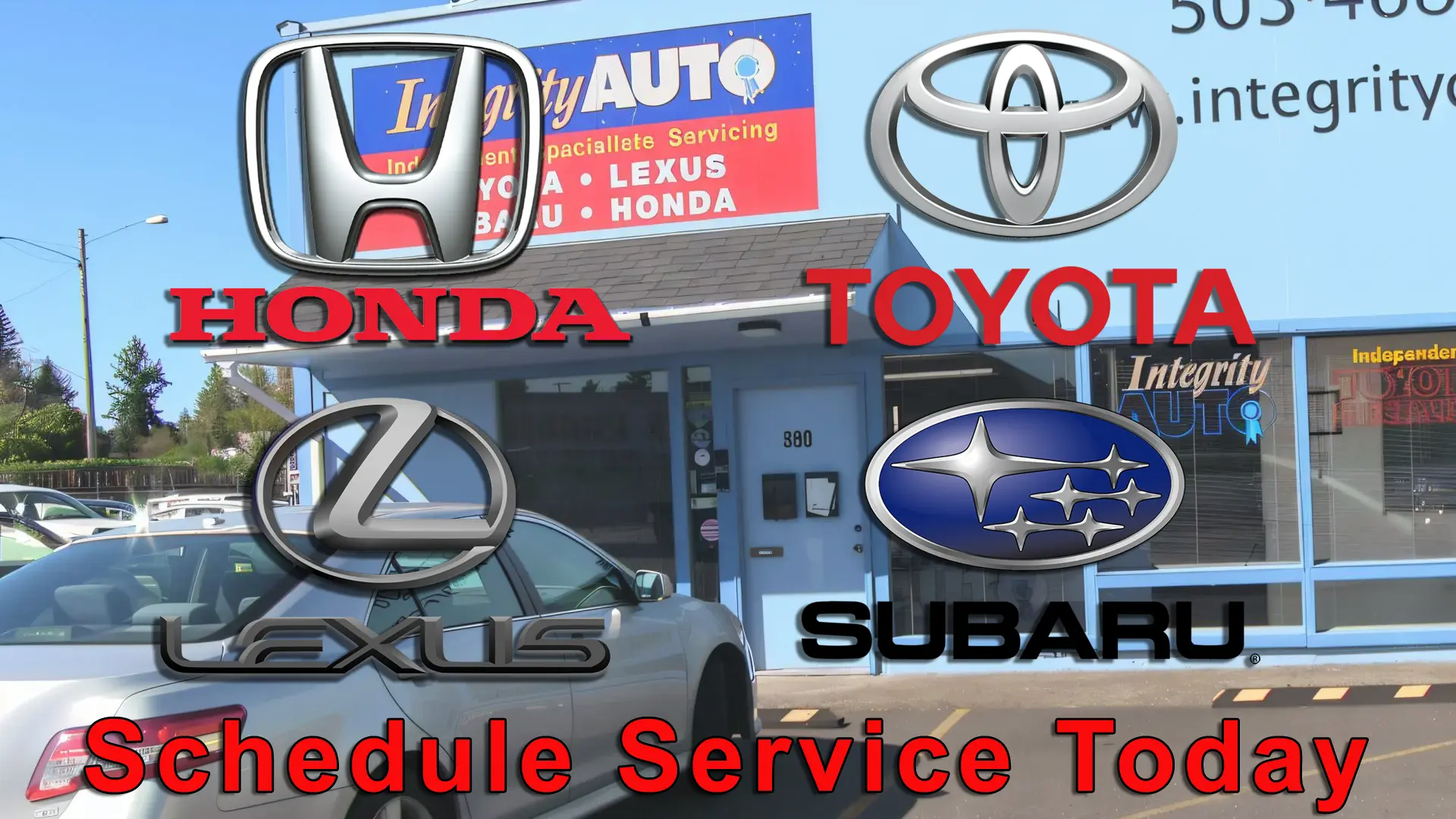
Integrityautoinc is an independent specialist for Subaru, Toyota, Lexus, and Honda vehicles. The shop provides written, line-item estimates for 60K scheduled maintenance, uses OEM-specified fluids on request (including Subaru-specified CVT fluid and the correct DOT-grade brake fluid), and documents all work performed for warranty records. Multipoint inspections are included and documented in writing, so owners leave with a clear picture of the vehicle’s condition, not just a list of completed tasks.
What a typical Integrityautoinc 60K estimate covers for Subaru owners:
- Written, line-item estimate reviewed and approved before work begins
- Engine oil and filter, spark plugs, and air filter replacement per factory schedule
- Brake fluid service with correct DOT-grade fluid (see the Subaru brake service guide for cost context)
- CVT fluid drain and fill on request using Subaru-specified fluid
- Documented multipoint inspection with written findings
- No pressure to approve optional services; recommendations are provided separately
To request a written estimate or schedule a 60K service appointment, visit Integrityautoinc’s Subaru service page.
Sources
- Subaru Maintenance Pricing
- 2020 Ascent 60,000 mile service – What is necessary/recommended? What is not? | Subaru Ascent Forum
- 60K suggested service sticker shock… | Subaru Outback Forums
FAQ
What is included in a 60,000-mile service on a Subaru?
Most Subaru 60K schedules include engine oil and filter, spark plugs, engine and cabin air filters, brake fluid replacement, tire rotation, and a multi-point inspection. CVT fluid and differential fluid are model-dependent and may be listed as optional for normal driving conditions.
Is the Subaru 60,000-mile service worth it?
Yes, for the factory-required items. Spark plugs, brake fluid, and air filters have direct safety and longevity consequences if skipped. Optional add-ons bundled by dealers are worth evaluating individually before approving.
How much does a Subaru 60K service cost?
Dealer estimates commonly range from $800 to $1,800 depending on model and how many optional items are included.
Is the 60K service necessary if the car runs fine?
The required items are necessary regardless of how the car feels. Worn spark plugs and moisture-contaminated brake fluid degrade performance gradually and are not always noticeable until a problem develops. Documented maintenance also protects warranty claims.
When should CVT fluid be changed on a Subaru?
The factory schedule does not always list CVT fluid as mandatory at 60K for normal driving, but many owners and independent technicians recommend changing it at or before this interval. Using Subaru-specified CVT fluid is critical; incorrect fluid can cause shudder and accelerate wear.


