

503-408-6385 M-F 8AM-5PM Contact
Toyota Clutch Hydraulic Flush
Dot-4 brake used in the clutch hydraulic system that Toyota, Lexus, and Scion and most other manufacturers use is hygroscopic-that is to say, it actively absorbs moisture out of the air, which then becomes a corrosive contaminant The standard Dot-4 brake used in the clutch hydraulic system that Toyota, Lexus, and Scion and most other manufacturers use is hygroscopic-that is to say, it actively absorbs moisture out of the air, which then becomes a corrosive contaminant.
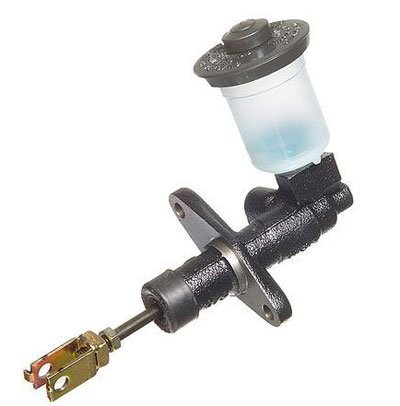 Toyota is silent on service intervals for the brake and clutch hydraulics, which is odd, because Lexus-their sister company-recommends that the brake hydraulics be flushed every 30,000 miles, which seems to be a common (though not universal) industry standard elsewhere as well.
The brake fluid in the clutch hydraulic system is exposed to atmospheric air through the vents in the reservoir cap. Over time, it absorbs water out of the air, which is then dispersed throughout the system, and which is harmful to the insides of the hydraulic lines, master cylinder, and slave cylinder.
It should be pointed out that flushing your clutch hydraulics is strictly an act of long-term- preventative maintenance. Under normal circumstances the clutch pedal won’t feel any different after flushing than before.
The hydraulic fluid starts out clear and almost completely without color. It gets darker and transitions to amber and eventually black with age. In the absence of service records, this serves as a casual indicator of age. Just as a casual aside, the clutch hydraulic fluid, which is identical to the brake fluid, turns black much more quickly than the brake fluid does.
I speculate that this is perhaps because of two factors: First, the two systems are each exposed to the air through vent caps with the same sized vents in the reservoir caps. The clutch hydraulic system though has a much smaller amount of fluid in it. As a result, the same total amount of moisture absorbed becomes a much higher percentage of the whole, and so has a greater effect.
Secondly, the hydraulic fluid in the brake system is routinely exposed to much higher temperatures, and so has a tendency to cook some of the moisture back out of the fluid. This is just my theory, and I haven’t ever seen it discussed anywhere else.

Integrity Auto: Independent Specialists Servicing Toyota, Lexus, Subaru & Honda serving PDX, Portland, Gladstone, Gresham, Happy Valley, Johnson City, King City, Lake Oswego, Milwaukie, Beaverton, Tigard, Tualatin, West Linn, Wilsonville, Clackamas, Oregon City, Fairview, Wood Village, Maywood Park, Oak Grove, Troutdale and more.