An illuminated ABS light means the anti-lock brake system has detected a fault and disabled itself; the base hydraulic brakes almost always still work. If only the ABS light is on and pedal feel is normal, driving carefully to a diagnostic shop is usually acceptable. Stop and call for help if the red brake warning light joins it, the pedal feels soft, the car pulls, or the road is wet or icy.
TL;DR:
- The ABS warning light often indicates a faulty wheel speed sensor, corroded wiring, low brake fluid, or a failing control module, which can impair emergency braking.
- Driving with only the ABS light on and normal brake pedal feel is generally safe for short trips to a mechanic, but stop immediately if the red brake warning light activates or the pedal becomes soft.
- A common cause of ABS system faults is dirt, damage, or corrosion on sensors and tone rings, which send inconsistent signals to the control module.
- Low brake fluid below the minimum level can trigger both the ABS and brake warning lights, and should be checked before driving further.
- Repair costs for ABS components typically range from $120 to $1,500 depending on whether sensors, wiring, or modules need replacement.
Table of Contents
- What Does the ABS Warning Light Mean?
- What Causes the ABS Light to Come On?
- Is It Safe to Drive With the ABS Light On?
- What Checks Can You Do Before Visiting a Shop?
- What Will a Repair Shop Do, and What Does It Cost?
- How Can You Prevent ABS Faults?
- Why Professional ABS Diagnosis Matters
- Get a Professional ABS Diagnosis at Integrity Auto Inc.
- Sources
- FAQ
What Does the ABS Warning Light Mean?
The anti-lock brake system relies on three parts working together: wheel speed sensors at each hub, a hydraulic modulator that pulses brake pressure, and a control module that reads sensor data dozens of times per second. When the module detects a signal that doesn’t make sense, such as one wheel reporting speed wildly different from the others, it shuts down the ABS function and lights the dashboard warning.
That shutdown matters most in an emergency stop. Without ABS, a hard brake application on a wet or gravel surface can lock a wheel, and a locked wheel skids instead of gripping. Skidding costs steering control at the exact moment a driver needs to swerve around an obstacle. The base hydraulic brakes, the same system that stops the car every day, keep functioning independently of ABS in the overwhelming majority of cases.
What changes without ABS:
- No automatic pulsing of brake pressure during hard stops, so wheels can lock under panic braking.
- Reduced steering control while braking hard, especially on wet, icy, or loose surfaces.
- Traction control and stability control often disable too, since they share the same wheel speed sensors.
Pro Tip: A single flash of the ABS light at startup is the system running its own self-check. A light that stays on is reporting a stored fault, not a false alarm.
What Causes the ABS Light to Come On?
A handful of components account for nearly every ABS warning, and knowing which one is likely at fault helps set expectations before a shop visit. Common causes include faulty wheel speed sensors, corroded wiring, low brake fluid, blown fuses, damaged tone rings, and failing control modules.
- Wheel speed sensors and tone rings: A sensor coated in brake dust or a tone ring with broken teeth sends erratic speed data to the module, which is often the single most frequent trigger.
- Corroded or damaged wiring: Sensor harnesses run through wheel wells and along the undercarriage, where road salt and debris chafe insulation and corrode connectors over years of exposure.
- Low brake fluid: A fluid level below the minimum mark can trigger both the ABS and brake warning lights simultaneously, since the modulator needs adequate hydraulic volume to function.
- Blown fuse or wiring fault: A dead short or blown fuse cuts power to the ABS module entirely, which usually lights the warning immediately after the next ignition cycle.
- ABS modulator or module failure: Internal valve wear or electronic faults inside the modulator sometimes only appear under specific conditions.
Brake fluid that goes too long without a change is a quieter culprit. Contaminated fluid accelerates wear on the modulator’s internal valves and pump, turning what looks like an electrical problem into a hydraulic one over time, according to AutoZone’s technical guide. Voltage spikes and heat can also cause solder joints inside the module to fail intermittently, a fault that tends to show up only under the high load of an emergency stop.
Is It Safe to Drive With the ABS Light On?
The decision comes down to what else is happening on the dashboard and under the pedal. If the ABS light is on by itself and normal braking feels the same as always, a short careful trip to a shop is generally acceptable. There is no fixed number of “safe miles.” The rule is simpler: drive only as far as necessary to reach a diagnostic shop, and avoid unnecessary trips in the meantime.
Certain warning signs override that leeway completely. If the red brake warning light comes on alongside the ABS light, the base hydraulic system itself may be compromised, not just the anti-lock feature. A soft or sinking brake pedal points toward air or fluid loss in the hydraulic circuit, which is a stop-now situation regardless of what the ABS light is doing.
| Condition | Action |
|---|---|
| ABS light only, pedal feels normal, dry roads | Drive carefully to a shop |
| Red brake light also on | Stop and arrange a tow or roadside repair |
| Soft, spongy, or sinking pedal | Stop immediately |
| Car pulls to one side while braking | Stop immediately |
| Grinding noise when braking | Stop immediately |
| Wet, icy, or gravel roads | Avoid driving until repaired |
Pro Tip: If the traction control light comes on with the ABS light, treat wet or icy conditions as off limits. The two systems share wheel speed sensors, and losing both increases skid risk at the same time.
What Checks Can You Do Before Visiting a Shop?
A few safe steps at home can resolve a transient warning or at least give a technician useful information before you arrive.
- Power-cycle the ignition. Turn the vehicle off, wait a few seconds, and restart it. If the light does not return, the fault may have been a momentary sensor glitch rather than a stored code.
- Check the brake fluid level. Open the hood, locate the reservoir, and confirm the fluid sits between the minimum and maximum lines on the side of the tank.
- Inspect the ABS fuse. Check the fuse box diagram for the ABS fuse location and look for a visibly blown element.
- Look at the wheel-sensor wiring. With the car safely parked, glance at the harness near each wheel hub for obvious chafing, corrosion, or a disconnected plug.
These checks sometimes clear a warning on their own, particularly when the cause was a loose connector or a fluid level slightly below spec. Stop the DIY process and call a shop if you notice any of the following:
- Fluid well below the minimum line with no obvious source of the leak.
- A fuse that blows again immediately after replacement.
- Visible wire damage that you cannot safely repair yourself.
- Any red brake warning light or pedal change alongside the ABS light.
What Will a Repair Shop Do, and What Does It Cost?
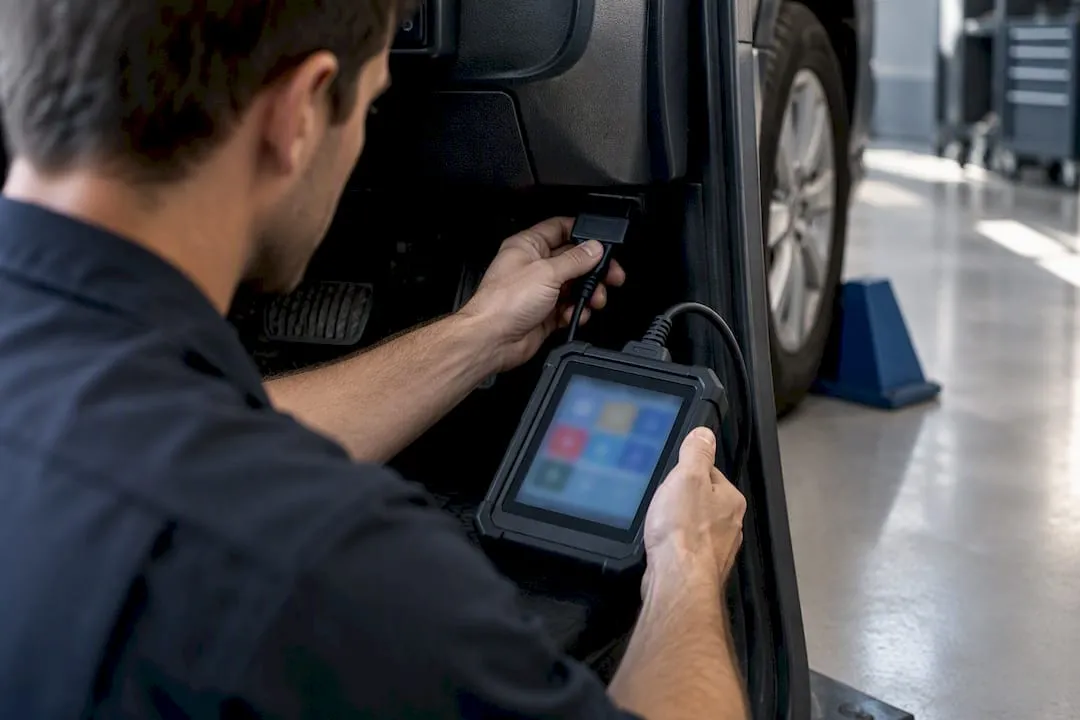
A standard code reader often cannot see inside the ABS module at all. Pulling ABS, ESC, or traction control codes requires an ABS-capable scan tool, the kind independent shops and dealerships use rather than a basic handheld reader. A technician connects that tool, retrieves the stored fault code, then often performs a test drive while recording live wheel speed data from all four corners to catch a fault that only appears under braking load.
Repair costs vary by component but fall into fairly predictable ranges:
- Wheel speed sensor replacement: roughly $120 to $300
- Wiring repair: roughly $80 to $250
- Hub or tone-ring replacement: roughly $200 to $500
- ABS modulator or control module repair/replacement: roughly $400 to $1,500, depending on rebuilt versus new parts
Before authorizing repair, ask the shop which specific code triggered the light, whether the fix includes a post-repair test drive to confirm the code stays clear, and what warranty covers the parts and labor. Reputable shops confirm these details without hesitation.
How Can You Prevent ABS Faults?
Most ABS warnings trace back to neglected maintenance rather than a random failure. A few habits lower the odds significantly.
- Change brake fluid on the manufacturer’s recommended schedule to protect the modulator’s internal valves and pump from contamination-driven wear.
- Inspect wheel-sensor wiring during routine brake service, especially in wheel wells and along the undercarriage where road debris causes chafing.
- Replace worn brake pads, bearings, and hub assemblies before they damage the tone ring, since a scored or chipped ring often forces a full hub replacement instead of a simple sensor swap.
- Keep wheels and brake components free of built-up dust, which can interfere with sensor readings over time; safe dwell-time cleaning methods help prevent buildup without damaging finishes.
Pro Tip: Ask your shop to add an ABS sensor check to every brake inspection. It takes only a few extra minutes and often catches a corroding connector years before it triggers a dashboard warning.
Why Professional ABS Diagnosis Matters
Locating the exact failed component inside an ABS system takes more than a quick glance under the car. Experienced technicians pair an ABS-capable scan tool with a live road test to capture wheel speed traces, which is often the only reliable way to catch an intermittent sensor or tone-ring fault that a static test would miss.
Integrity Auto Inc. has worked on Toyota, Lexus, Subaru, and Honda models long enough to recognize which ABS symptoms point to a sensor, a wiring fault, or a modulator issue before tearing anything apart. When you bring the vehicle in, note when the light first appeared, whether it followed a hard stop or a recent repair, and any recent impact to a wheel or curb.
Get a Professional ABS Diagnosis at Integrity Auto Inc.
Integrity Auto Inc. offers a comfortable alternative to dealership diagnostics for Toyota, Lexus, Subaru, and Honda owners in the Portland area who want a straight answer about an ABS warning instead of a guessing game.
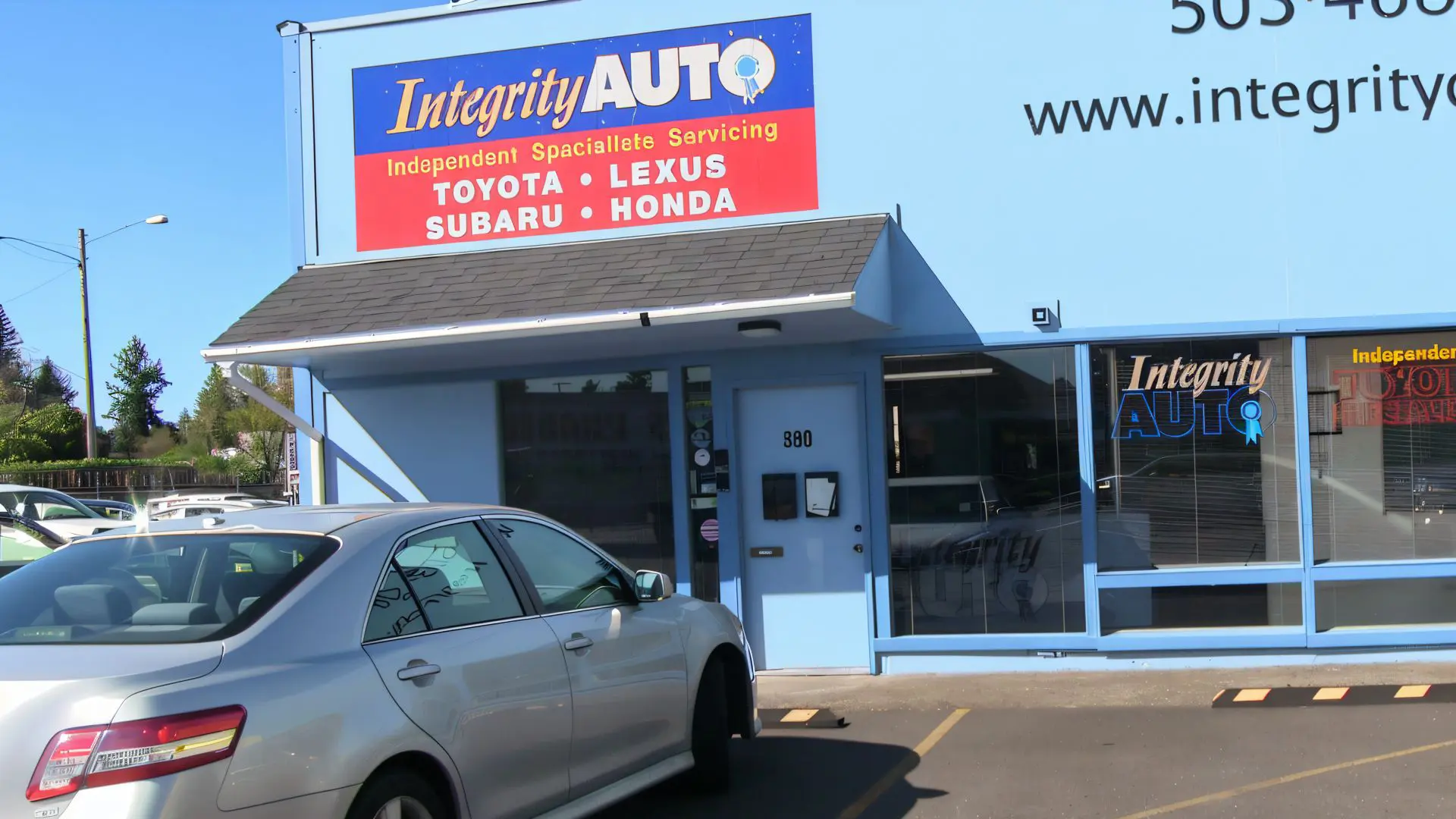
An ABS diagnostic visit includes an ABS-capable scan to pull the stored fault code, a test drive to capture live wheel-speed data, and a written estimate before any repair begins. Technicians work across all four brands daily, which means the sensor, wiring, or modulator fault gets identified instead of parts being replaced by trial and error. Warranty coverage backs the work once it’s done.
If the ABS light has been on for more than a day or came on alongside any other warning light, schedule a diagnostic appointment to get the fault code read and a clear repair estimate before the problem gets more expensive to fix.
Sources
FAQ
Is It Safe to Drive With the ABS Light On?
It depends on what else is happening. If only the ABS light is on and the brakes feel normal, a short careful trip to a shop is usually acceptable, but stop immediately if the red brake light joins it or the pedal feels soft.
How Do I Fix My ABS Light?
Start with a power-cycle of the ignition, a brake fluid level check, and a look at the ABS fuse for obvious damage. If the light stays on, a shop needs an ABS-capable scan tool to pull the stored code and identify the failed sensor, wiring, or module.
What Is the Most Common Cause of the ABS Light Coming On?
Faulty wheel speed sensors and damaged tone rings are among the most frequent triggers, often from brake dust buildup or a chipped tone ring sending inconsistent speed signals to the module.
Can Low Brake Fluid Cause the ABS Light to Come On?
Yes. Fluid below the minimum line can trigger the ABS and brake warning lights at the same time, since the modulator needs sufficient hydraulic volume to pulse pressure correctly.
Does Integrity Auto Inc. Diagnose ABS Problems?
Yes. Integrity Auto Inc. diagnoses ABS faults on Toyota, Lexus, Subaru, and Honda vehicles using an ABS-capable scan tool and a test drive, and provides a written estimate before repair through its diagnostic service.


