


If a Prius shows a red triangle or “Check Hybrid System” warning, the most likely causes are inverter coolant pump failure or a discharged 12V battery, not the hybrid battery itself. Some inverter and IPM faults qualify for Toyota warranty or recall coverage, which can cut repair costs significantly. Stop driving if the red triangle appears, get diagnostic trouble codes scanned right away, then work through the DIY checklist and repair options below.
TL;DR:
- Inverter coolant pump failure and a discharged 12V battery are the most common causes of warning lights, not the hybrid battery itself.
- Diagnostic trouble codes like P0A94 and P0A93 point to cooling system or inverter faults, often linked to the pump or wiring issues.
- Testing the 12V battery’s voltage and running the IG-ON pump check help differentiate between inverter, pump, or battery problems before costly repairs.
- Owners should verify warranty coverage and check VIN-specific recalls to avoid unnecessary expenses before ordering parts.
Table of Contents
- Prius Inverter Failure Symptoms and Warning Codes
- What Causes Prius Inverter Failure
- How to Diagnose a Failing Inverter Yourself
- Prius Inverter Replacement Cost and Repair Options
- Preventing Inverter Failure Before It Starts
- Getting Your Prius Diagnosed and Repaired at Integrity Auto Inc
- Where to Verify Codes, Recalls, and Repair Details
- Sources
- FAQ
Prius Inverter Failure Symptoms and Warning Codes
Inverter trouble rarely announces itself quietly. Most owners first notice a “Check Hybrid System” message paired with the red triangle warning light, sometimes followed by the car dropping into limp mode or losing electric drive entirely. A few report a buzzing or whining noise from the engine bay just before the warning appears, which often points to the cooling pump straining before it quits.
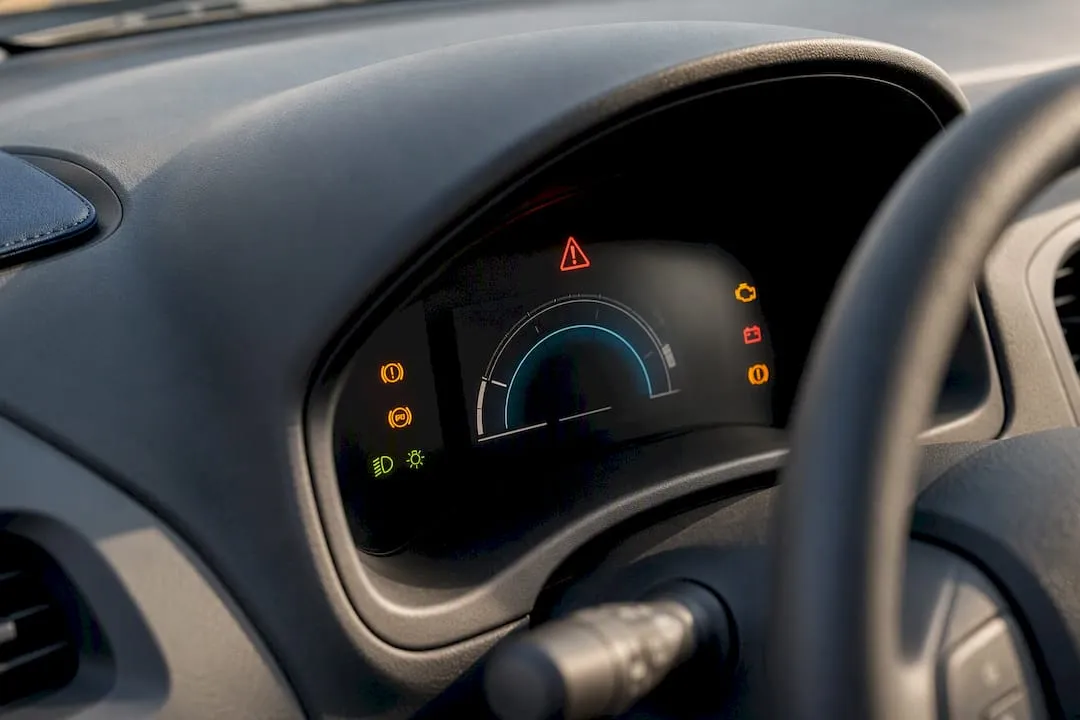
Getting the diagnostic trouble codes read is the single most useful thing an owner can do before spending a dime on repairs. A printed DTC list is also the strongest negotiating tool available when talking to a shop or dealer, since it proves exactly what triggered the warning instead of leaving the diagnosis to guesswork.
Watch for these signs and codes:
- Dashboard warnings: “Check Hybrid System” message, red triangle indicator, sudden stalling, or a shift to reduced-power limp mode.
- P0A7A: often tied to hybrid battery pack performance, but sometimes triggered by upstream inverter faults.
- P0A94: commonly linked to the DC-DC converter, frequently a symptom of cooling or 12V system strain.
- P0A93: points toward inverter cooling system performance problems.
- P0AA6 or C1256 family: associated with contactor or high-voltage circuit faults.
- Secondary clues: a 12V battery that won’t hold a charge, or a “P” gear lock warning, both of which can mimic inverter failure without any actual inverter damage.
What Causes Prius Inverter Failure
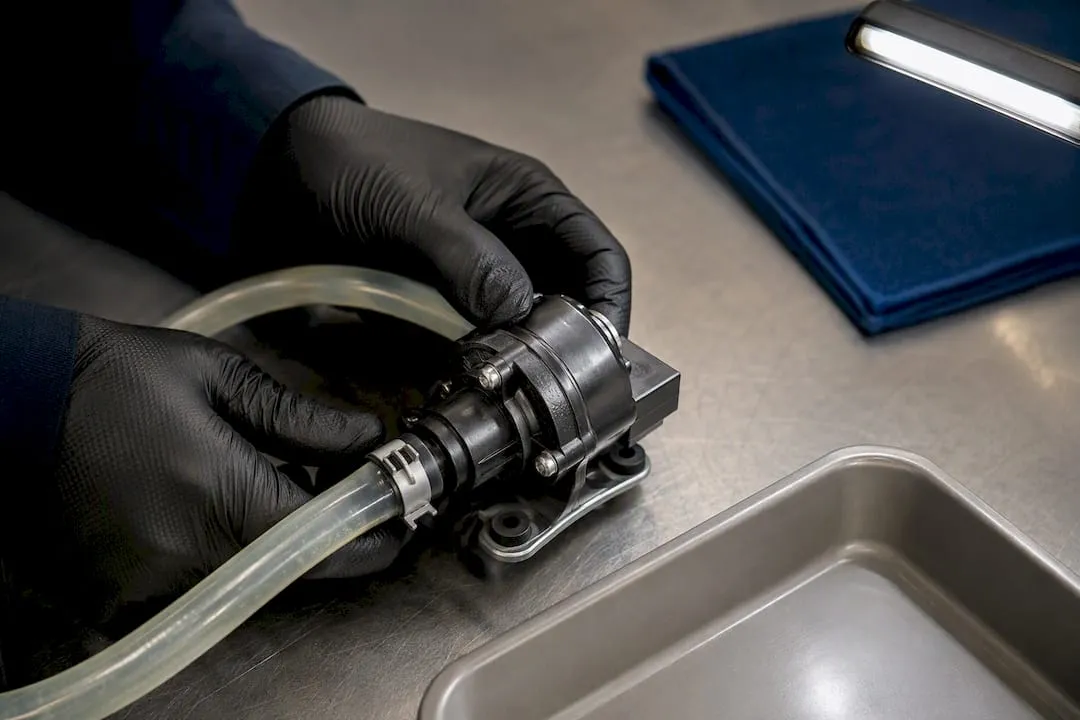
Toyota Prius inverter problems trace back to a short list of usual suspects, and the coolant pump tops that list. The inverter runs its own dedicated cooling loop, separate from the engine’s radiator circuit. When the electric coolant pump weakens or dies, the inverter’s power modules overheat and the car shuts down protective functions rather than risk burning out the IPM (Intelligent Power Module).
A weak 12V battery causes a surprising share of these warnings too. The 12V battery powers the computers that manage the hybrid system’s startup sequence, and when it can’t deliver stable voltage, those computers sometimes throw inverter-adjacent codes even though the inverter itself is fine. This is why 12V testing before inverter diagnosis saves owners from unnecessary parts replacement more often than most expect.
Less common but real causes include:
- Internal IPM damage: actual failure of the power transistors inside the inverter, usually the result of prolonged overheating from a dead pump.
- Frame-ground or harness issues: corroded grounds or damaged wiring insulation can create intermittent faults that mimic inverter failure.
- Connector corrosion: moisture intrusion at high-voltage connectors, more common in older or high-mileage vehicles.
Toyota has previously extended Customer Confidence Program coverage to certain IPM failures on older Prius models, tied to specific diagnostic codes including P0A7A, P0A78, P0A94, and P0A1A. Checking VIN-specific coverage before authorizing any repair work is a step too many owners skip.
How to Diagnose a Failing Inverter Yourself
Before assuming the worst, a handful of checks can narrow down whether the problem sits in the pump, the 12V battery, or the inverter itself. None of these require opening the high-voltage system, but caution still applies: if the car has already thrown a red triangle warning and lost power on the road, arrange a tow rather than attempt to drive it further.
- Pull codes first. Use an OBD-II scanner with hybrid capability to capture every stored code, and request a full printout if a shop already scanned it. This single step tells you which subsystem triggered the fault.
- Run the IG-ON pump test. Press the power button once without touching the brake, so the dash lights up but READY mode doesn’t engage. Listen near the driver’s-side headlight area for a faint hum, and watch for turbulence in the inverter coolant reservoir. Silence and a still reservoir strongly suggest a dead pump.
- Check coolant level and condition. Low or discolored coolant in the inverter reservoir points toward a leak or a pump that has been struggling for a while.
- Inspect pump wiring and fuses visually. Pay particular attention to the AM2 fuse, a common failure point that can shut down pump operation without any visible damage.
- Measure 12V battery voltage. Resting voltage should sit around 12.2 to 12.8 volts. With the car in READY mode, voltage should climb above roughly 13.5 volts; if it stays low while running, the charging path isn’t doing its job.
- Try a temporary reset if stranded. Pulling a specific fuse briefly, or disconnecting the 12V negative terminal for a few seconds, has gotten stalled cars restarted long enough to reach a shop. Treat this as a get-home measure only, not a fix.
- Unplug the A/C compressor if suspected. A failing compressor can pull a parasitic load that mimics inverter strain; disconnecting it temporarily helps isolate the fault.
Pro Tip: Keep the printed code list and the exact voltage readings from your 12V test. Handing a shop hard numbers instead of vague symptoms often shaves an hour or more off diagnostic time, and it keeps the estimate honest.
If the pump test comes back silent, the coolant looks contaminated, or voltage readings stay abnormal under load, that’s the point to stop troubleshooting and get the car to a shop for a full diagnostic scan.
Prius Inverter Replacement Cost and Repair Options
Repair cost depends heavily on which component actually failed, and that’s exactly why skipping straight to “replace the inverter” wastes money for a lot of owners. Four realistic paths exist:
- Coolant pump replacement only: the cheapest fix when the pump alone caused the overheating, often just a few hundred dollars in parts and labor.
- Remanufactured inverter assembly: a rebuilt unit with a warranty, usually the best balance of cost and reliability for a full inverter failure.
- OEM inverter assembly: the highest-cost option, with OEM parts averaging $1,000 to $3,000 before labor.
- Used or salvage inverter: the lowest upfront cost, but remaining lifespan is unknown and warranty coverage is often limited or nonexistent.
Full project totals commonly land between roughly $1,560 and $3,580 once parts and labor combine, and labor alone runs 4 to 12 hours for a complete inverter swap, since the job requires a high-voltage disconnect, careful component removal, and a proper system reset afterward. That labor range is also why inverter replacement is largely a shop-level job rather than a weekend driveway project for most owners, even DIY-capable ones.
Before paying for any of these, check VIN-specific warranty and recall status. Some IPM failures still fall under Toyota’s Customer Confidence Program depending on model year and diagnostic codes. When comparing quotes, ask specifically for a line-item estimate that separates parts from labor, and ask what warranty applies to a reman or used unit, since coverage terms vary widely between vendors.
Preventing Inverter Failure Before It Starts
Most Prius hybrid system failures related to the inverter give some warning before they strand the car, and paintless dent repair specialists can assist with related body damage after an incident. Catching early signs saves both money and the inconvenience of a tow.
- Check inverter coolant level and clarity at each scheduled service interval, not just when a warning appears.
- Have the 12V battery tested proactively once the car passes six or seven years old, rather than waiting for a failure.
- Address any pump whining or intermittent warning lights immediately rather than waiting for a full shutdown.
- Avoid extended hard driving if the cooling system already shows signs of trouble, and have any A/C compressor issues diagnosed separately.
Pro Tip: A coolant reservoir that looks slightly low but otherwise normal is often the cheapest warning sign you’ll ever get. Topping it off and scheduling a hybrid-specialist inspection costs far less than a shutdown on the highway.
Getting Your Prius Diagnosed and Repaired at Integrity Auto Inc
A pattern shows up again and again in inverter cases: owners who bring in a printed code list and a clear description of symptoms get faster, more accurate diagnoses than those who show up saying only “the light came on.” Integrityautoinc is a local alternative to dealer diagnostics in Portland, Oregon, built around treating that code printout, and your description of what happened, as the starting point rather than an afterthought.

Bringing in prior repair receipts alongside the codes helps technicians spot whether a previous pump or 12V fix might be related. Integrityautoinc’s diagnostic service covers inverter coolant pump replacement, 12V battery testing and replacement, and sourcing of remanufactured or used inverters when a full assembly swap is necessary. A VIN check against Toyota warranty and recall coverage is recommended before any repair estimate goes final, as this step can eliminate cost on qualifying IPM failures.
Expect a written estimate that itemizes parts and labor separately, so the choice between a pump-only fix and a full inverter replacement is transparent rather than bundled into one number. For hybrid owners who also drive Toyota vehicles with cooling-related concerns in hot weather, seasonal cooling system checks fit naturally into the same visit. Book a diagnostic appointment through the Independent Toyota Service and Repair page to get codes read and a repair path mapped out before committing to any part order.
Where to Verify Codes, Recalls, and Repair Details
Before paying for any inverter repair, verify recall and warranty status directly through Toyota using your VIN, since coverage varies by model year and the specific codes recorded. Community troubleshooting threads on PriusChat offer real-world diagnostic experience worth cross-checking against a shop’s findings, and detailed cost breakdowns like the one from Cost Insider help set realistic budget expectations.
Sources
- Can a Prius be driven with a broken inverter? How to check inverter function – PriusChat
- Cost of Replacing a Toyota Prius Inverter – Cost Insider
- Prius inverter replacement: a complete guide – The Detroit Bureau
FAQ
How Do I Know if My Prius Inverter Is Bad?
The clearest signs are a “Check Hybrid System” message with the red triangle light, loss of electric drive, or a stalling engine. Confirming it requires scanning for diagnostic trouble codes and running the IG-ON pump check to see whether the cooling pump is actually running.
How Much Does It Cost to Replace the Inverter in a Toyota Prius?
Costs vary by repair type: a pump-only fix runs a few hundred dollars, while a full inverter assembly replacement typically totals between $1,560 and $3,580 including 4 to 12 hours of labor. Integrityautoinc provides current diagnostic and repair pricing directly through its diagnostic service page rather than a flat quote, since the exact cost depends on which component failed.
Can I Drive My Prius With a Bad Inverter?
Driving is not safe once the red triangle warning appears, since the car may lose power unpredictably or stall in traffic. If the vehicle has already shut down, a brief fuse pull or 12V disconnect can sometimes allow a short drive to a shop, but this should be treated strictly as a get-home measure.
What Is the Common Cause of Inverter Failure?
Inverter coolant pump failure is the most frequently reported cause, since a dead pump lets the inverter’s power modules overheat and trigger a protective shutdown. A weak 12V battery is the second most common trigger, often producing similar warning codes without any actual inverter damage.


