


What are the signs that transmission fluid is low?
The most common signs transmission fluid is low include gear slipping, delayed engagement when shifting, rough or hard shifts, a burning smell, overheating, unusual noises (such as whining or grinding), and visible fluid spots under the vehicle. These symptoms may appear individually or together, and recognizing them early is essential to prevent severe transmission damage.

Table of Contents
- Why does transmission fluid get low, and what happens if you ignore it?
- How to check transmission fluid and tell if levels are dangerously low
- Transmission service from Integrityautoinc in Portland, OR
- Key Takeaways
- FAQ
Why does transmission fluid get low, and what happens if you ignore it?
Most cases of low transmission fluid trace back to a leak. Faulty pan gaskets, damaged transmission lines, and worn axle seals are the most frequent culprits. Road debris can puncture a transmission pan or line, and the resulting leak may be slow enough that no obvious puddle forms until the fluid level has already dropped well below safe operating range.
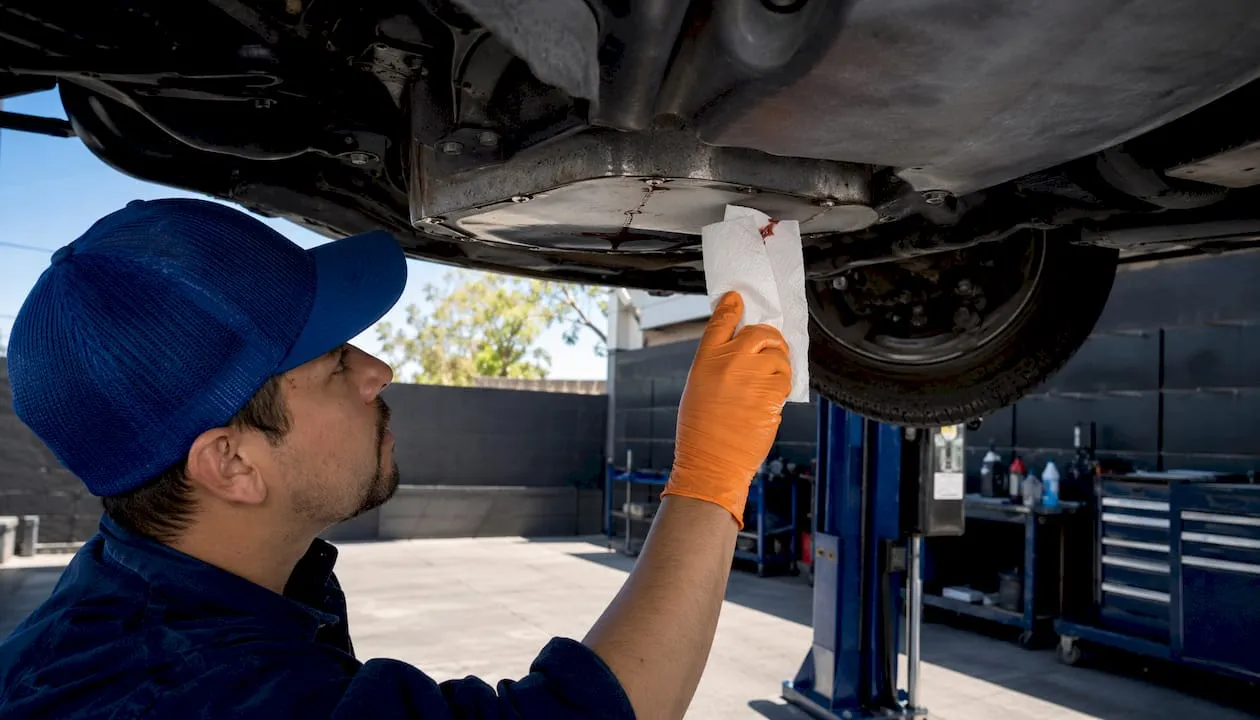
Unlike engine oil, transmission fluid is not consumed during normal operation. Needing to add fluid repeatedly is not routine maintenance — it signals a leak or a mechanical failure that requires repair, not just a top-off.
The destructive cycle that follows low fluid is well documented. Reduced fluid means reduced hydraulic pressure, which causes the clutches and bands to slip. Slipping generates friction. Friction generates heat. Heat degrades the remaining fluid faster, which worsens lubrication, which accelerates wear on internal components. A transmission running low on fluid can reach a point of no return surprisingly fast under highway or towing conditions.
Ignoring the warning signs does not just risk a repair bill. It risks complete transmission failure, which can leave a vehicle undrivable and require a full replacement rather than a targeted fix.
Pro Tip: If you spot a reddish puddle under your vehicle, place a white paper towel on the spot to confirm the color. Bright red or pinkish fluid points to the transmission; black fluid is engine oil; clear or light-colored fluid is likely air-conditioning condensation. Not all undercarriage drips are transmission fluid, so confirming the color before acting prevents misdiagnosis.
A pan gasket failure on Toyota and Lexus models is a particularly common source of slow leaks that go unnoticed until symptoms appear.
How to check transmission fluid and tell if levels are dangerously low
Checking fluid level accurately requires the right conditions. Rushing the process or checking a cold transmission produces a misleading reading.
Step-by-step fluid level check
- Warm the engine. Drive the vehicle for 5–10 minutes so the transmission reaches normal operating temperature and fluid circulates through all internal passages.
- Park on level ground. An uneven surface tilts the fluid in the pan and skews the dipstick reading.
- Set the transmission to Park and leave the engine running.
- Locate the dipstick. On front-wheel-drive and all-wheel-drive vehicles, it typically sits beside the engine; on rear-wheel-drive vehicles, it tends to run toward the firewall. The handle usually carries a gear-shaped symbol.
- Pull, wipe, reinsert, and pull again. Remove the dipstick, wipe it clean with a lint-free cloth, reinsert it fully, then pull it out a second time for an accurate reading.
- Read the level. The fluid should fall between the MIN and MAX marks (sometimes labeled “ADD” and “FULL”). Anything below the minimum mark means the level is low.
- Check the fluid condition. Lay the dipstick on a white paper towel and examine the color.
What fluid color tells you
Healthy transmission fluid is reddish-pink. As it ages, it shifts toward brownish-red. Dark brown or black fluid with a burnt smell indicates degraded fluid and possible internal damage. Fine metallic particles in the fluid are a serious warning that internal components are already wearing against each other.
Fluid condition matters as much as fluid level. A transmission running on dark, burnt fluid at the correct level is still in trouble.
- Reddish-pink: healthy, normal
- Brownish-red: aging, plan a fluid change
- Dark brown or black with burnt smell: degraded, inspect immediately
- Black and gritty with metal particles: internal damage likely present
A word of caution on diagnosis: Low fluid symptoms can mimic other failures, including a faulty transmission pressure sensor, a worn pump, or a clogged filter. Adding fluid and hoping the problem resolves is not a reliable diagnostic method. If symptoms persist after topping off, professional diagnostics are necessary to identify the actual root cause before further damage occurs.
Consult the owner’s manual for model-specific procedures. Some modern vehicles use a sealed transmission with no dipstick, requiring a lift and a trained technician to check fluid level properly. An automatic transmission flush at the correct service interval also prevents the gradual fluid degradation that accelerates wear.
Transmission service from Integrityautoinc in Portland, OR
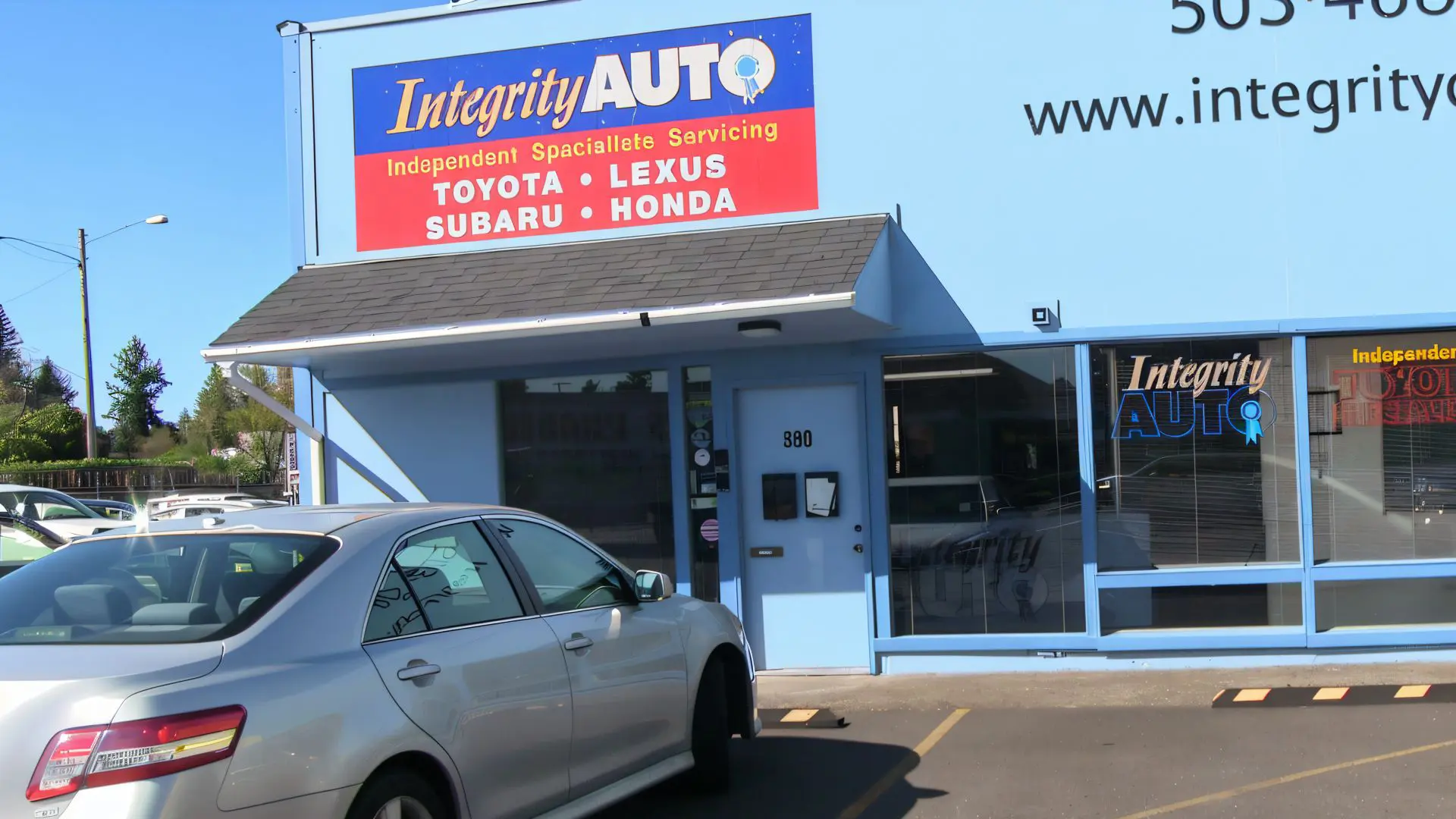
Drivers dealing with transmission warning signs need more than a fluid top-off — they need an accurate diagnosis from a shop that knows their vehicle. Integrityautoinc specializes in Toyota, Lexus, Subaru, and Honda transmissions, offering the kind of focused expertise that comes from working on these platforms every day. The shop provides thorough diagnostics to determine whether low fluid is the result of a pan gasket leak, a damaged seal, a line failure, or a deeper mechanical issue.
For Toyota and Lexus owners in the Portland area, Integrityautoinc offers quality used transmission parts alongside repair services, keeping costs reasonable without cutting corners on reliability. The goal is a vehicle that is safe, dependable, and a pleasure to drive — not a temporary fix that returns the same problem in three months. Schedule a transmission inspection at Integrityautoinc before a manageable leak becomes an unmanageable repair.
Key Takeaways
Low transmission fluid causes a chain reaction of friction, heat, and mechanical wear that worsens rapidly without prompt diagnosis and repair.
| Point | Details |
|---|---|
| Primary warning signs | Gear slipping, delayed engagement, rough or hard shifts, burning smell, overheating, unusual noises (whining or grinding), and visible fluid spots under the vehicle. |
| Fluid is not consumed | Needing to add fluid repeatedly signals a leak or mechanical fault, not normal wear. |
| Fluid color matters | Reddish-pink is healthy; dark brown or black with a burnt smell indicates degraded fluid and possible internal damage. |
| Symptoms can mislead | Low fluid signs mimic sensor failures and pump issues; professional diagnostics confirm the true cause. |
| Integrityautoinc | Specializes in Toyota, Lexus, Subaru, and Honda transmission diagnosis and repair in Portland, OR. |
FAQ
How will a car act if it’s low on transmission fluid?
The vehicle will typically slip out of gear, hesitate when shifting from Park to Drive or Reverse, shift roughly or jerkily, overheat, make unusual noises such as whining or grinding, and may emit a burning smell. In severe cases, the transmission cannot build enough hydraulic pressure to engage any gear, and the car will not move.
Can you just add transmission fluid if it’s low?
Adding fluid alone does not fix the underlying leak or mechanical fault causing the loss. It may temporarily reduce symptoms, but continued operation without repairing the source of the leak accelerates internal wear and worsens damage.
Can transmission fluid go low without a leak?
Technically the fluid level should not drop without a leak, but some leaks are small enough that no visible puddle forms under the vehicle. A slow seep from a seal or line may only drip while the engine runs, leaving no trace on the driveway but still depleting the system over time.
Can I still drive with low transmission fluid?
Driving with low fluid carries real risk of permanent transmission damage. If symptoms such as slipping, rough shifts, or strange noises are already present, continued driving can turn a repairable problem into a full transmission failure. Having the vehicle inspected promptly is the safer course.


