

The fastest, most reliable defense against catalytic converter theft is a layered approach: a hardened physical barrier around the converter, a motion or vibration alarm, smarter parking habits, and comprehensive insurance coverage. No single device stops every thief, but combining these layers makes an attempt slower, louder, and less appealing. Professional installation and legal compliance with emissions rules matter just as much as the hardware itself.
Table of Contents
- A Prioritized Checklist for Catalytic Converter Theft Prevention
- Do Physical Barriers Actually Stop a Determined Thief?
- How Alarms Work and What They Realistically Prevent
- Parking Habits and Insurance Steps That Reduce Risk
- Why Professional Installation Matters More Than the Device Itself
- What Federal Law Says About Tampering With Emissions Equipment
- A Mechanic’s Checklist for Diagnosing and Documenting Converter Theft
- VIN Etching and What It Can and Cannot Do
- Comparing the Cost of Each Prevention Method
- Matching Prevention Methods to Your Vehicle and Driving Habits
- Signs of Tampering and What to Do Immediately After
- How Integrity Auto Can Help With Installation and Repair
- Where to Verify These Claims
- Sources
- FAQ
A Prioritized Checklist for Catalytic Converter Theft Prevention
Vehicle owners do not need to guess at priorities. Insurers and security researchers point to the same core sequence, and it works whether the vehicle is a daily commuter or a rarely driven second car.
- Layer 1: Install a hardened steel shield or cable cage around the converter, sized correctly for the vehicle’s undercarriage clearance.
- Layer 2: Add a vibration or motion alarm tuned to detect activity near the exhaust system, not just cabin intrusion.
- Layer 3: Change parking habits: use a locked garage when possible, park under lighting, and orient the vehicle so the underside is harder to access.
- Layer 4: Etch or mark the VIN on the converter and photograph the part and its surroundings for identification purposes.
- Layer 5: Confirm comprehensive, or other-than-collision, coverage on the auto insurance policy and know the claim-filing steps before anything happens.
Each layer addresses a different failure point. A shield without an alarm still gets attacked, just more slowly. An alarm without a shield may scare off an amateur but do nothing against someone who knows exactly what they are cutting. Insurance does not prevent the theft, but it determines whether the repair bill lands on the owner or the policy, according to State Farm’s prevention guidance.
Do Physical Barriers Actually Stop a Determined Thief?
Physical barriers fall into three general categories: full-plate shields that bolt over the converter housing, cable or cage systems that wrap the converter in hardened steel mesh, and strap or wrap systems that reinforce the converter’s shell directly. Thieves typically use battery-powered reciprocating saws, sometimes called sawzalls, because they cut through factory exhaust piping in under a minute.
Independent testing has found that many steel-based barrier devices resist that same saw long enough to make the attempt fail, often dulling or breaking the blade before the device gives way, according to testing published by Car and Driver. That kind of sawzall-simulation evidence is the most convincing proof a device works, since it mirrors the exact tool and technique thieves use in parking lots and driveways.
Fitment varies by vehicle. Trucks and SUVs sit higher off the ground, giving installers more room to fit bulkier cage-style shields without touching the exhaust heat shield or nearby oxygen sensors. Low-clearance sedans and hybrids, including many Prius models that are frequent theft targets because their converters contain a higher concentration of precious metals, need slimmer plate designs or cable wraps that hug the converter body closely.
- Full-plate shields offer the strongest resistance to cutting tools but require the most clearance.
- Cable cages flex around irregular shapes and suit vehicles with tight underbody spacing.
- Strap and wrap systems are lighter and faster to install but generally offer less cutting resistance than a full shield.
Poor installation can pinch a heat shield against the exhaust pipe or crowd a sensor wire, creating new problems the theft device was never meant to cause.
Pro Tip: Ask the installer to test-fit the shield with the exhaust system cold and again after a short drive, since heat expansion can change clearance.
How Alarms Work and What They Realistically Prevent
Vibration and motion alarms add a second layer of deterrence by making noise the moment someone starts working under the vehicle. Three general types exist: battery-powered vibration sensors that clip near the converter, hardwired motion or infrared detectors wired into the vehicle’s electrical system, and fully integrated aftermarket security systems that combine converter monitoring with broader vehicle alarm functions.
Alarms tend to scare off opportunistic thieves looking for a quiet, thirty-second job. A well-equipped, determined crew working with a partner on lookout is less likely to abandon an attempt just because a siren sounds, particularly in an isolated location. Alarms work best as a layer, not a standalone solution.
- Mount vibration sensors as close to the converter as the vehicle’s underbody allows, away from suspension components that vibrate during normal driving.
- Angle infrared or motion detectors to cover the space directly beneath the vehicle rather than the surrounding pavement.
- Test alarm sensitivity after installation to avoid nuisance triggers from wind, rain, or passing traffic.
Battery-powered units are simpler to install but need periodic battery checks, while hardwired systems draw from the vehicle’s electrical system and tend to stay reliable longer without owner maintenance. The trade-off is installation complexity: hardwiring means running cable through the undercarriage, which is a job better suited to a shop than a driveway project.
Parking Habits and Insurance Steps That Reduce Risk
Behavior costs nothing and works alongside any device. Parking in a locked garage removes the vehicle from street access entirely. When a garage is not an option, parking under lighting, close to building entrances, or within view of security cameras reduces the window of opportunity, a point echoed in Consumer Reports’ theft-prevention guidance. Parking nose-in toward a curb, wall, or garage door also makes underbody access slower and more visible.

Insurance is the financial backstop. Standard liability-only policies typically do not cover a stolen converter, since theft falls under comprehensive, or other-than-collision, coverage rather than liability, according to AAA Northeast. Checking a policy’s declarations page for comprehensive coverage before a theft happens saves confusion afterward.
If theft occurs, contact the police and the insurer promptly, and document the VIN, license plate, and damage with photos from multiple angles. Some states require scrap-metal dealers to log seller identification on converter purchases, which can occasionally aid recovery or prosecution.
Prices for devices and labor vary too widely by vehicle and region to state as a fixed figure, but the comparison itself is the point: a prevention layer costs a fraction of a full converter replacement.
Why Professional Installation Matters More Than the Device Itself
A theft-deterrent device only works if it is installed without interfering with the systems already protecting the vehicle. Improper installation can crowd a heat shield against the exhaust pipe, pinch an oxygen sensor wire, or restrict airflow enough to create backpressure that trips a false diagnostic code.
Before hiring anyone, ask a few direct questions:
- Is the technician ASE-certified, and has the shop installed this type of shield or cage on a similar make and model before?
- Does the shop offer a warranty on the workmanship and the device itself?
- Will the shop confirm the device fits the vehicle’s exact exhaust routing and ground clearance before drilling or welding anything?
- Will they perform a post-installation check for exhaust leaks and verify sensor readings before releasing the vehicle?
A shop that understands Toyota catalytic converter geometry, for example, knows exactly where sensors and heat shields sit relative to the converter body, which matters when deciding where a cage’s mounting points can safely go. If a proposed installation would require cutting into the exhaust in a way that bypasses emissions equipment, a competent shop should refuse and offer an alternative that keeps the vehicle compliant.
Pro Tip: Request a written estimate that lists the device brand, mounting method, and estimated labor time before work begins, so there is a paper trail if a problem surfaces later.
What Federal Law Says About Tampering With Emissions Equipment
Any theft-prevention installation has to respect existing emissions law. The Clean Air Act and the EPA’s tampering policy make it illegal to remove a catalytic converter or replace it with a pipe or part that bypasses emission controls, and this applies to shops as much as individual owners, according to the EPA’s exhaust system repair guidelines.
- Never install or accept a replacement exhaust part advertised as a way to skip the converter entirely.
- Many states layer their own anti-tampering statutes and scrap-dealer reporting rules on top of the federal policy, which affects how stolen converters can legally be resold.
- A certified shop should be able to confirm that any theft-deterrent hardware, and any replacement converter, keeps the vehicle within emissions compliance.
The practical rule is simple: any device or repair touching the exhaust system should go through a shop that understands both the mechanical fit and the legal boundary, since a well-intentioned shortcut can turn into a compliance violation.
A Mechanic’s Checklist for Diagnosing and Documenting Converter Theft
A shop-level checklist helps owners know what a proper inspection should include, whether they are vetting an installer beforehand or dealing with a theft aftermath.
- Diagnostics first: a technician should run live waveform diagnostics on the oxygen sensors before assuming a P0420 code means converter failure, since a loose shield or wiring fault can trigger the same code. Details on this process appear in our P0420 Toyota diagnostic guide.
- Fitment check: confirm ground clearance, mounting points, and that any shield or cage routes away from heat-sensitive components like sensor wiring and the heat shield itself.
- Documentation for insurance: request a full work order listing parts, part numbers, labor hours, and warranty terms, along with photos of the damage or the installed device.
- Aftercare: schedule a follow-up inspection within a few weeks of any exhaust work to confirm no leaks developed and sensor readings remain normal.
This sequence protects both the vehicle’s emissions performance and the owner’s ability to file a clean insurance claim if theft happens again.
VIN Etching and What It Can and Cannot Do
VIN etching involves engraving the vehicle’s identification number directly onto the catalytic converter’s housing, usually with an etching kit or through a shop or law-enforcement program. The purpose is identification, not deterrence: a marked converter is easier for police to trace back to a specific vehicle if it turns up at a scrap yard or resale operation.
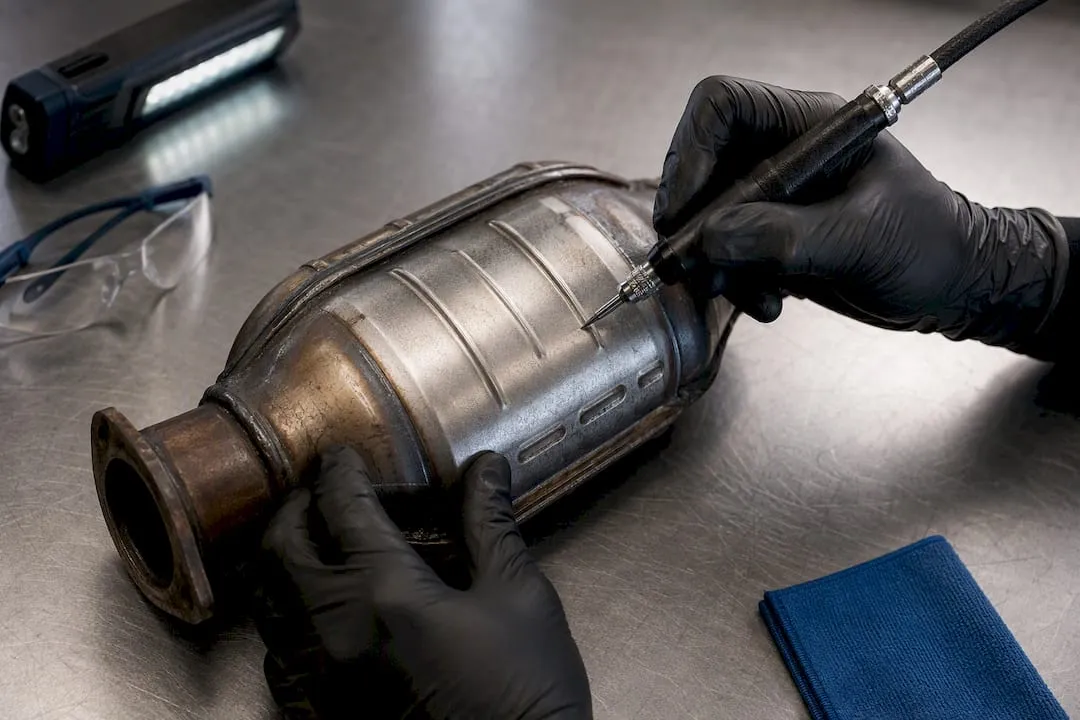
The limitation is straightforward. Thieves working quickly underneath a vehicle rarely stop to check for an etched marking before cutting, so etching does little to stop an attempt in progress, according to Consumer Reports. Its value shows up after the fact, aiding recovery and prosecution rather than preventing the crime itself.
Etching still earns a place in a full prevention plan because it costs little and takes minutes. Paired with photographs of the converter and its surrounding components, it gives police and insurers something concrete to work with if a theft occurs. Some scrap-metal dealers are required by state law to log identifying information from sellers, and an etched VIN gives that paper trail something to match against.
Treat VIN etching as the documentation layer, not the barrier layer. It belongs alongside a physical shield and an alarm, never as a substitute for either, and it works best when the owner also keeps a copy of the etching confirmation and photos in a safe place separate from the vehicle itself.
Comparing the Cost of Each Prevention Method
Cost is often what decides which layers an owner actually installs. Physical shields and cages carry the highest upfront cost because they involve both a hardened part and installation labor, but they also provide the strongest resistance to cutting tools, based on the testing outcomes from Car and Driver. Alarms cost less than a full shield in most cases and add a detection layer without altering the exhaust system’s physical structure.
VIN etching is the least expensive layer, often available as a simple kit or a low-cost shop service, but its role is limited to identification rather than prevention. Parking changes cost nothing beyond the inconvenience of finding a garage space or a better-lit spot. Comprehensive insurance carries an ongoing premium rather than a one-time cost, and the deductible determines how much of a replacement bill the owner still pays out of pocket even with coverage in place.
Weighed against a full converter replacement, which involves both a new part and labor, every prevention layer looks inexpensive by comparison. The real decision is not whether to spend money on prevention, but which combination of layers fits the vehicle and the owner’s budget and parking situation.
Matching Prevention Methods to Your Vehicle and Driving Habits
Vehicle geometry and daily use both shape which prevention layers make the most sense. A truck or SUV with generous ground clearance can accommodate a bulkier cage-style shield without fitment issues, and its higher stance already makes underbody access slightly harder for a thief working quickly.
A low-clearance sedan or hybrid needs a slimmer shield or cable-wrap design that hugs the converter closely, since there is less room to spare. Hybrids, including the Prius models frequently targeted for their converters’ metal content, are also often parked in driveways or street spaces rather than garages, which raises the value of the alarm and parking layers relative to a truck that might already sit in a garage overnight.
Daily commuters that sit in the same public parking lot every workday benefit most from a highly visible deterrent, since a shield or cage that is difficult to miss can discourage a thief before they even start. Vehicles parked overnight on the street benefit more from an alarm and strong lighting, since deterrence there depends on speed and noise rather than visibility during daylight.
Owners who drive infrequently, or who store a second vehicle for extended periods, should prioritize garage parking and insurance verification, since a device sitting unused for months still needs periodic fitment checks to confirm nothing has shifted or loosened.
Signs of Tampering and What to Do Immediately After
A few warning signs point to converter tampering or a failed theft attempt: a sudden, noticeably loud exhaust note, visible saw marks or scratches on the pipe near the converter, the vehicle sitting at an odd angle from jack marks, or a check engine light paired with a strong sulfur smell.
If the converter has already been stolen, take these steps without delay:
- Do not attempt to drive the vehicle, since a missing converter creates an extremely loud exhaust note and can trigger diagnostic codes, though the engine will typically still run.
- Photograph the vehicle’s underside, VIN, and license plate before moving it, and file a police report the same day.
- Contact the insurer promptly to start a comprehensive claim, referencing the AAA Northeast overview of what comprehensive coverage typically includes.
- Schedule a diagnostic inspection to confirm no additional damage occurred to sensors, wiring, or the exhaust manifold during the theft.
Acting quickly on documentation matters as much as the repair itself, since insurers and police both rely on early photos and reports to process a claim or pursue recovery.
How Integrity Auto Can Help With Installation and Repair
An independent shop offers service for Toyota, Lexus, Subaru, and Honda vehicles, including diagnostics, exhaust and emissions work, and documentation that supports an insurance claim after a theft or attempted theft.
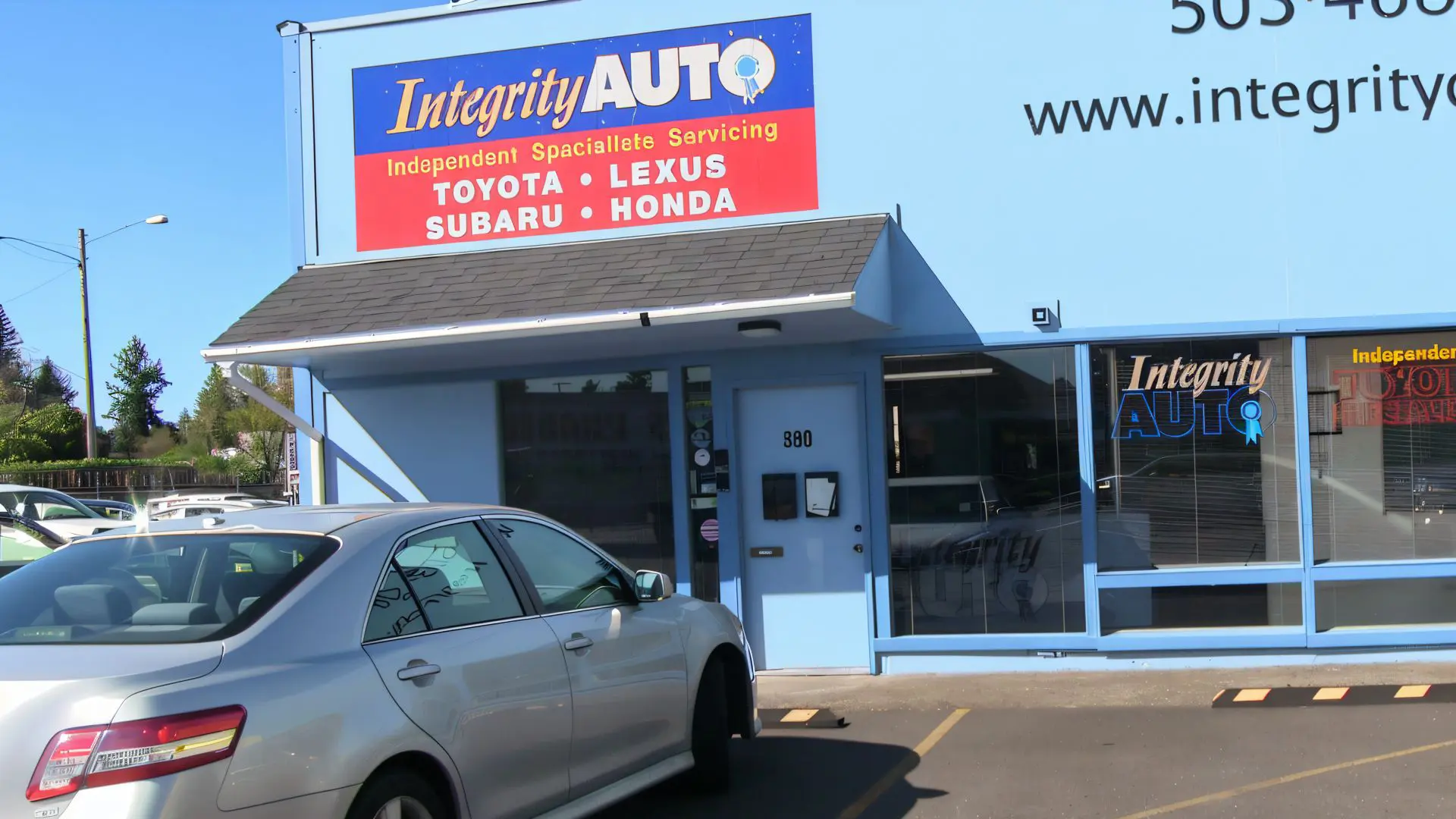
A first appointment typically includes an inspection of the exhaust system, an estimate for any prevention device or replacement converter, diagnostic checks on sensors and codes, and a written work order that owners can hand directly to their insurer. Estimates and diagnostic fees are discussed upfront, and workmanship may carry a warranty.
- Inspection and diagnostic scan before installing a shield, cage, or replacement converter.
- Written estimate and work order documentation for insurance claims.
- Emission-compliant repair and replacement, backed by warranty on parts and labor.
Owners who want a professional opinion on device fitment or a full converter replacement can start with Independent Toyota Service and Repair or reach out through the contact page to schedule an appointment.
Where to Verify These Claims
- EPA exhaust system repair guidelines for federal tampering policy.
- State Farm’s catalytic converter theft prevention guidance for layered prevention advice.
- NICB news release on vehicle theft trends for broader theft data.
- Insurance coverage details are worth confirming directly with a policy provider, such as through FrenzyCars’ guide to collision and comprehensive coverage.
Sources
- Why are catalytic converters stolen? — AAA Northeast Magazine
- How to prevent catalytic converter theft — State Farm
- Tested: Best Catalytic Converter Anti-Theft Devices — Car and Driver
- EPA exhaust system repair guidelines (Tampering policy)
FAQ
Which cars are most likely to have a catalytic converter stolen?
Hybrid vehicles, particularly Prius models, are frequent targets because their converters contain a higher concentration of precious metals than standard gas-only vehicles. Trucks and SUVs with high ground clearance are also targeted often, simply because their underbodies are easier to access quickly.
How can I stop my catalytic converter from being stolen?
The most effective approach combines a hardened physical shield or cable cage, a vibration or motion alarm, and smarter parking habits like using a garage or well-lit space, according to State Farm. No single measure is foolproof, but layering them makes a theft attempt slower and louder.
What is the best theft deterrent for catalytic converters?
Independent testing has found that many steel-based physical barriers, such as shields and cable cages, resist reciprocating saw attacks well enough to stop or significantly slow a theft attempt, based on testing from Car and Driver. Pairing that barrier with an alarm adds a detection layer for added protection.
Will a car run if the catalytic converter is stolen?
Yes, a vehicle will typically still run without its catalytic converter, but the exhaust becomes extremely loud and the check engine light usually comes on due to missing emissions equipment. Driving in that condition is not advisable, and the vehicle should be inspected and repaired before regular use resumes.


